












Long before the match starts and the final whistle is blown, every FIFA World Cup begins with a soundtrack that becomes synonymous with the games. Not only about football, the World Cup has continued to evolve into the modern day cultural juggernaut it is today. The cup’s songs are designed to cross borders, unite fans and capture the spirit of the game on a worldwide stage.
Perhaps the most instantly recognizable World Cup song, ‘Waka Waka’ by Shakira, was announced in the 2010 cup, securing its place in World Cup history. It became one of the most watched videos on YouTube with 3 billion views and achieved platinum status in 18 nations, cementing Shakira as the queen of FIFA music and, naturally, making the track a tough act to follow.
Although ‘Waka Waka’ remains one of the most iconic FIFA anthems, World Cup songs have been shaping the atmosphere of the tournament for decades. One of the earliest hits was ‘The Cup of Life’ by Ricky Martin during the 1998 World Cup hosted by France. Topping the music charts in over 30 countries and reaching number one in more than 100 countries on iTunes, this song was the trendsetter for future FIFA anthems, bringing the excitement of football into the homes of everyone. With the catchy, rhythmic lyrics of “Ole, Ole, Ole” the song quickly became synonymous with the excitement and energy of the World Cup.
Almost three decades and seven World Cups later, each tournament has continued to attempt to create a song that reflects the spirit of its host country, whether it’s through the choreography, the language used in the song or where the video is shot. Interestingly, FIFA did not consistently create official tournament songs at their onset in 1930; the first cup was hosted by Uruguay in July 1930. The 1990 World Cup in Italy is often seen as the beginning of the iconic World Cup songs. When selecting the artist, FIFA works alongside global music ambassadors, international charities and music industry executives with the goal of encapsulating the spirit and culture of the host country within the music.
In 2010 South Africa introduced ‘Waka Waka’ (This Time For Africa), blending African rhythms with pop music. Interestingly, when it was first released, the song initially had mixed reactions. The choice of having Shakira, a Colombian artist, as opposed to an African artist on the stage was heavily criticized. Critics argued that it was not a true representation of African culture. However, despite the controversies, the song soon became universally loved in part due to its high energy and vibrant choreography.
The anthems become tied to memories of goals, celebrations,and even losses with the most iconic ones often outliving the tournament itself. Unfortunately, not all anthems become iconic. The World Cup hosted by Russia in 2018 aimed for a more commercial pop sound. The song ‘Live it Up’ by Nicky Jam featuring Will Smith and Era Istrefi combined Latin and electronic influences to create a party theme. However, it ultimately failed to match the cultural impact of ‘Waka Waka’. Many football fans felt it sounded more like a generic summer hit as opposed to a true World Cup anthem that deeply connected to the memories and vibe of the tournament. One reason could have been because of the Latin themes in the song as opposed to the artists trying to reflect the music of the host country, in this case, Russia. Critics highlighted that it was more of an attempt to recreate a wholly generic sound that was popular at the time.
It seems as though FIFA took the criticism on board for the 2022 World Cup in Qatar. ‘Hayya Hayya’ (Better Together) by Trinidad Cardona, Davido and Aisha blended Middle Eastern influences, Afrobeat and R&B to reflect both the host nation and the diversity of the game. This song was an attempt to reinforce FIFA’s message of unity and inclusion. It was praised for embracing a more multicultural sound and the mixed collaboration was appreciated. This reaction once again solidified the belief that fans expect more than just a catchy tune. It was the first time a solo artist from the Middle East was featured in a World Cup track, weaving in the culture of the host country, whilst the R&B and Reggae influence aimed to unify fans in a global celebration. However, despite critical success, it was not as popular as “Waka Waka.”

With the 2026 FIFA World Cup being hosted across North America in the United States, Canada and Mexico, FIFA has again turned to big music collaborations to build excitement and anticipation ahead of the tournament. Jelly Roll’s track, ‘Lighter’ alongside Carín León, produced by Canadian producer Cirkut released on March 20 2026 has been the first song of the official FIFA World Cup Album for 2026.
May 15 saw the digital release of the official main anthem for the 2026 tournament: ‘Dai Dai’ by Shakira and Burna Boy, bringing Shakira back to the World Cup for the first time since 2010. The track was written by multiple artists across the globe – Shakira, Burna Boy, Ed Sheeran, Jon Bellion, Benny Adam and Alexander Castillo and highlights football unity. It has the chant “let’s go” in 5 different languages (Italian, Japanese, Spanish, French, English) throughout the song. ‘Dai Dai’ pulled in 3.5 million Spotify streams and 2.1 million YouTube views in its first 48 hours of release. However, many of the online fanbase have been disappointed that the official anthem for 2026 FIFA did not feature a Canadian or Mexican artist, to represent the host countries.
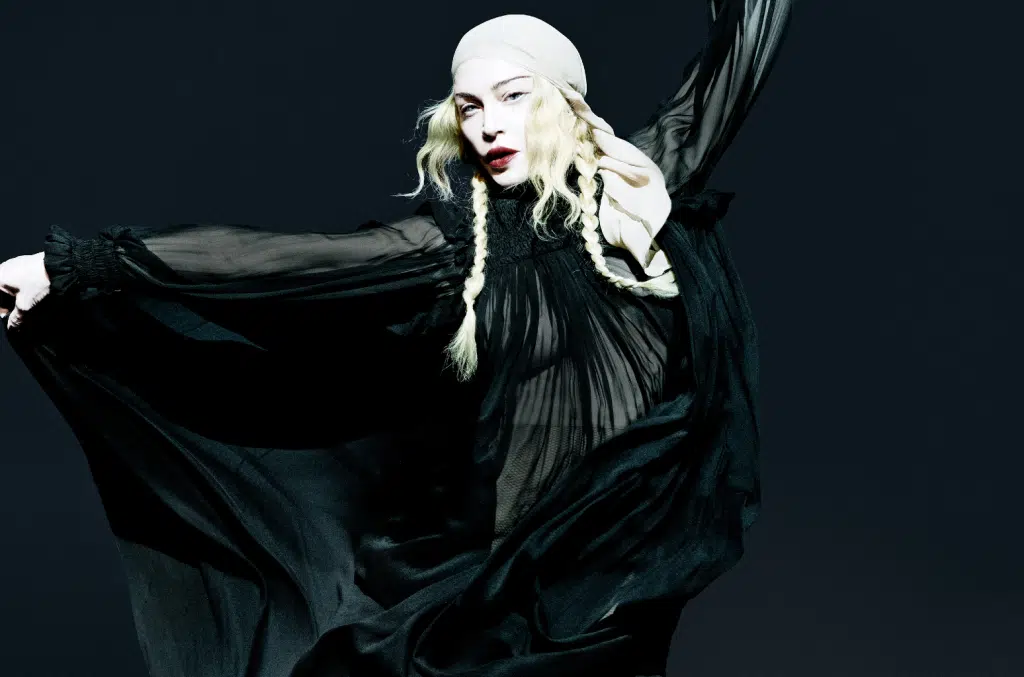
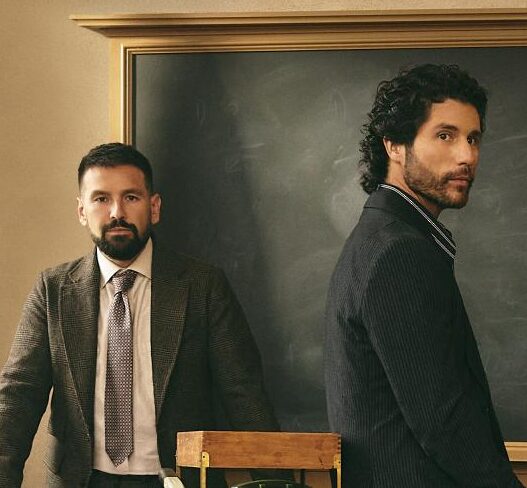
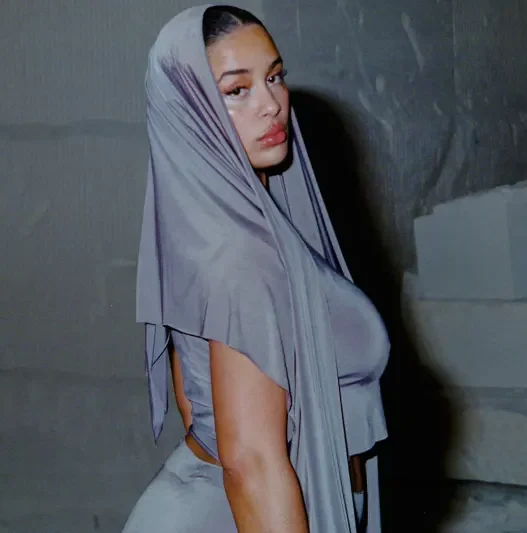
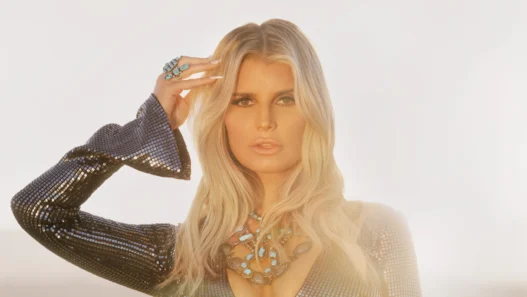
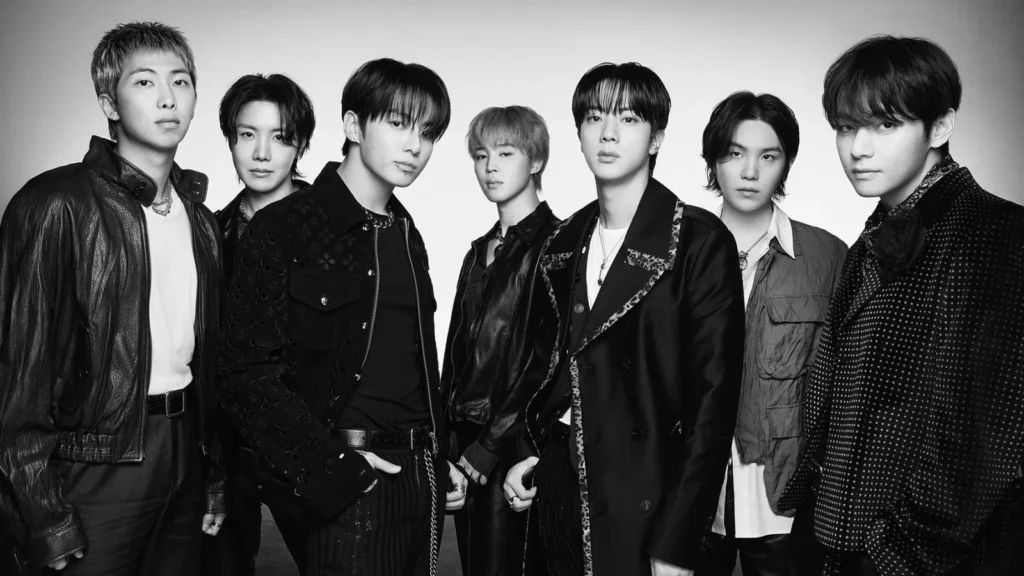
The FIFA 2026 World Cup will also introduce the tournament’s first ever halftime show, featuring Shakira, Madonna and BTS. The decision of introducing a halftime show in the World Cup seems to reflect FIFA’s growing focus on entertainment and global pop-culture. However, it has not been met with positivity from many fans, with them feeling that a halftime show does not belong in the World Cup. The reception of the halftime show on July 19 is sure to become a defining moment in FIFA World Cup history with fans waiting to see if other Cups will follow suit. The decision to use a mix of the globe’s most iconic names also further reinforces FIFA’s obsession with big names over geographically relevant ones.
Regardless of halftime shows or global performances, World Cup songs remain one of football’s most enduring legacies, continuing to resonate long after the final whistle blows. Whether ‘Dai Dai’ will reach the iconic status of ‘Waka Waka’ remains to be seen, although it already seems poised for commercial success. However, reaching the iconic status is measured by more than just the charts.To know if a track has reached said status, there are four metrics that are needed to be considered. The first is streaming longevity – will ‘Dai Dai’ remain in the Top 10 throughout the World Cup? The second is the “stadium test”, which is determined by how loudly and consistently fans chant the anthem before and during matches. The third metric is the halftime show effect, wherein a spike in streaming after the July 19 performance is observed or not. Finally, the fourth metric is the Shazam Global Chart, measuring what people are actively listening to and discovering in public spaces.The challenge for ‘Dai Dai’ it seems, is not becoming popular during the World Cup, but remaining unforgettable long after it and only time will tell.