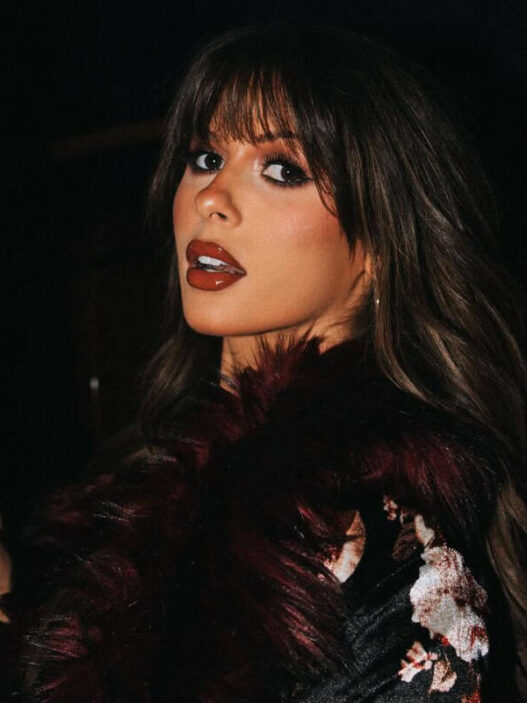



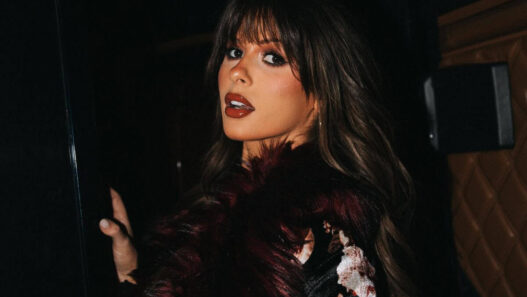




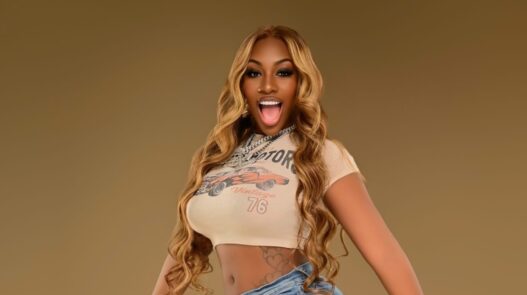
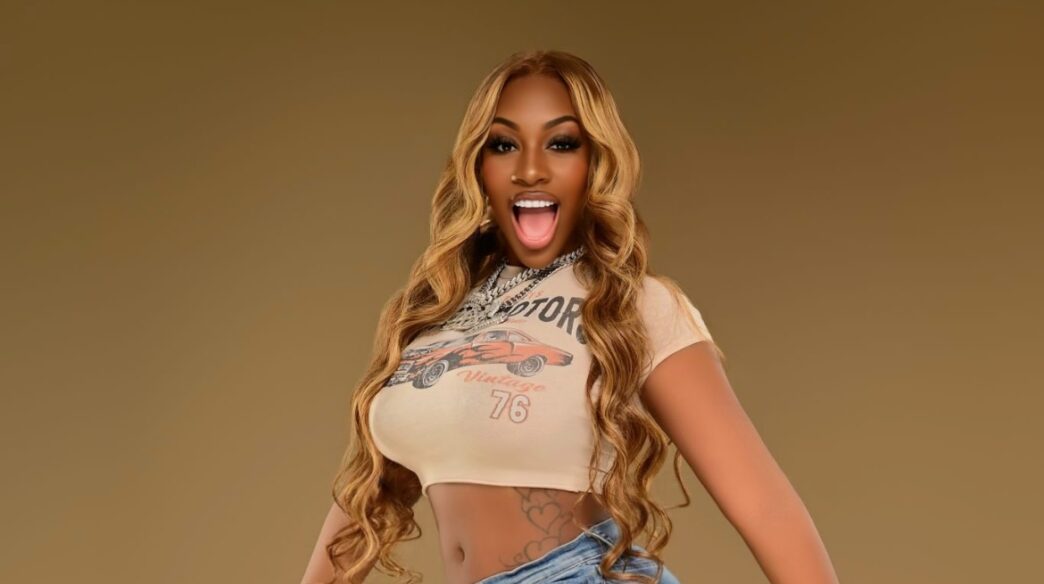
Diamond The Body has built her career with an unwavering commitment to being herself. In an exclusive interview with Groovevolt, the Broward County, Florida native discusses the battles behind the music, the platform that changed her career and why she’s determined to prove there’s more to her than audiences may expect.
With nearly two million views on her latest single, ‘I Like To Fight’ has become one of Diamond’s biggest releases to date. Despite its title, the song’s message goes far beyond physical confrontation. “I feel everybody is fighting something,” she says. For her, the track represents the everyday battles people face, whether that’s health, family or job-related. “I wanted to make a song that was motivational for when people are going through what they’re going through, they can put the song on and continue fighting.”
When I caught up with the Florida native over Zoom, she told me that the message is a personal one. For Diamond, the biggest battle has been carving out a place for herself in the music industry. “I’m fighting for people to take me serious as an artist,” she says. “Nobody really believed in me at all. I had to ignore those people and keep fighting.”
Diamond began rapping eight years ago, quickly realizing music was her future. Her determination has shaped every career move she’s made, including joining the Zeus Network series Baddies. Baddies is a hit reality series that brings together bold female personalities from music, social media and reality TV. Through Baddies she reached a wider audience and built a loyal fan base. She revealed the show was always intended to be a stepping stone rather than the destination. “It definitely gave me a platform to promote my music to more people,” she explains. “But now that I have the platform, I’d like to move away from it. It was never my long-term goal. My goal was always music.”
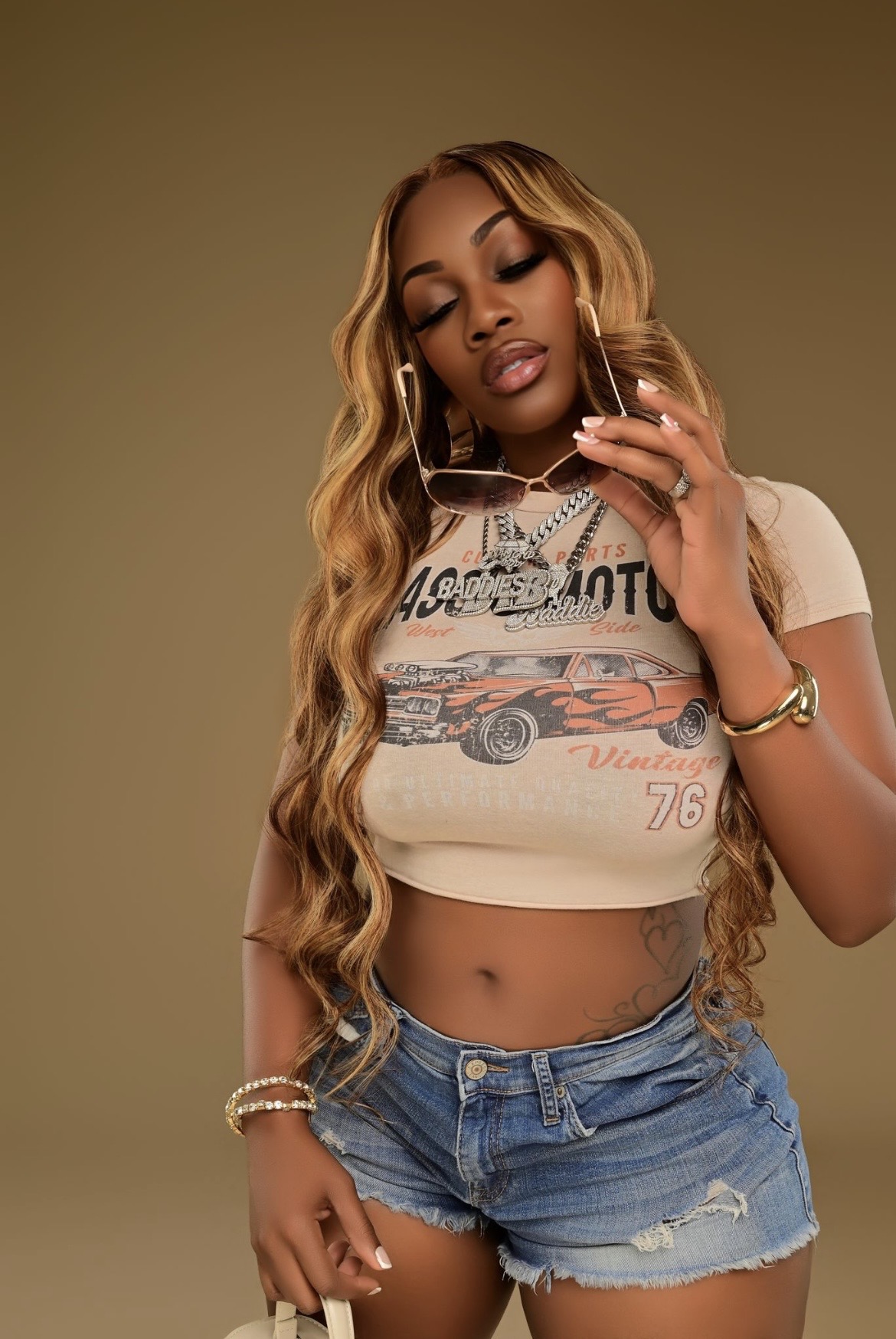
Another reason fans continue to connect with her is her willingness to show every side of herself, not just the glamorous moments. While many public figures carefully curate their online image, Diamond deliberately shares the realities that others often hide. “I think everybody needs to see that, especially from celebrities,” she explains. “People think our lives are perfect, but we’re still human.” That openness was evident when she recently shared a photograph of herself with a black eye. “I keep everything so real and open,” she says, when asked why she thinks her fans relate to her so much. “People were messaging me saying, ‘Girl, I’ve got one, too.’ It makes people feel like they’re not the only one going through something.”
As her career has progressed, so has her creative process. While she once wrote every lyric alone, she now works alongside writers and producers, something she believes has elevated her music, while keeping her personal experiences at the center of every song. “I just get in the studio, nod my head and think about what’s going on in my life,” she says. “That’s where the music comes from.” And although her recent releases reflect the confident, high-energy persona associated with Baddies, Diamond hints that listeners shouldn’t expect that to define her forever. “We have some music that’s not on Baddies timing at all,” she reveals. “I think it’s really going to surprise the world!”
Her music catalogue reflects not only her development as an artist but her personal evolution as well. She recommends listeners start with ‘DTB’ from her very first mixtape. “That was more of, like, the intro,” she says. “I want people to also see the growth, so they can appreciate the music that’s being put out now. Like ‘Wow, this is where you started and this is where you are now.’”
While her music continues to evolve creatively, Diamond is also navigating an industry that’s rapidly changing through technology. While she appreciates the benefits of AI tools like ChatGPT, she’s concerned about artists losing control of their own image. “I don’t like AI being able to use our likeness,” she admits. “People can create pictures that look completely real. I think there should be laws protecting people’s faces and images.”
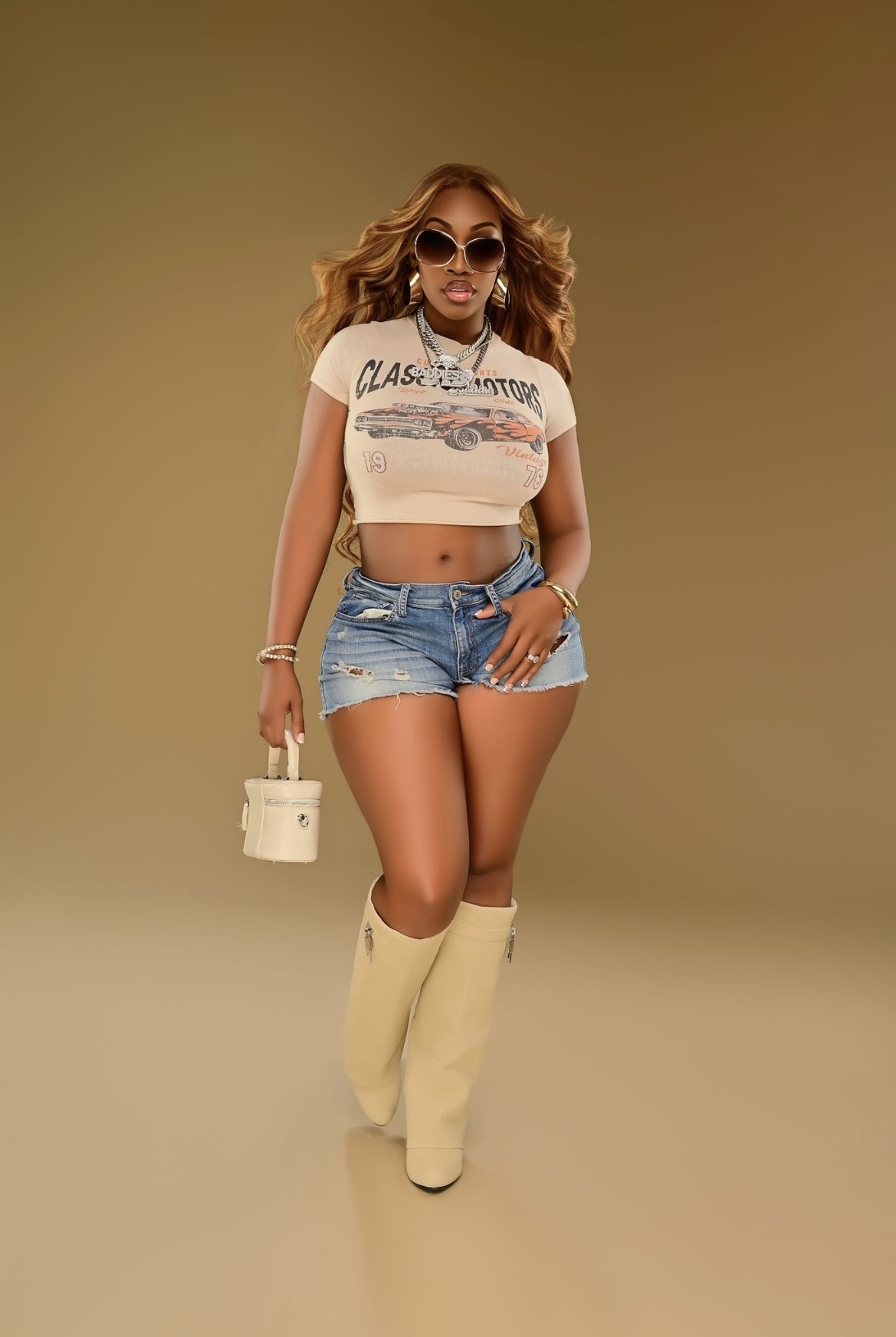
Technology isn’t the only shift artists must adapt to, with Diamond sharing that today’s artists have to become content creators as much as musicians, embracing social media as an essential part of building a career. “As an artist today, you have to become a content creator,” she says. “You’ve got to fall in love with creating content because that’s how you’re going to promote your music.” At the same time, she recognizes the pressure to chase viral moments whilst trying to maintain artistic credibility. “It’s a thin line,” she says. “You want your music to go viral, but you also want people to take you seriously as an artist.”
The desire to be taken seriously is something she feels remains unfinished. “I still feel underestimated,” she admits. “People love me on the show, but they’re not always going to listen to the music. I think people are keeping me in a box.” However, seeing how she connects with her fans is something that outweighs the negativity. “The best compliment was, like, tears. I’m like, wow, you’re crying,” she says. “That’s more than words can even say.”
In our conversation, one theme surfaced repeatedly. Diamond has no intention of outrunning her past. She wants to redefine it. Reality television may have introduced her to millions, but music is where she believes her legacy will be written. The same goes for her view of women in hip-hop, “We’re here to stay. Get used to us!” With a new EP on the horizon and a determination to challenge expectations, she believes the next chapter will finally shift the conversation from personality to artistry. “I really want to show this growth in my music,” she says. “People have been asking for an EP. It’s coming.”