








This year’s Grammy race is shaping up to be one of the most unpredictable in recent memory. A rule change allowing artists to be entered for Best New Artist up to four times instead of three has significantly altered the usual dynamics: a breakout artist who missed out last cycle can contend again. This shift, combined with a genuine changing of the guard in pop, concurrent renaissances in country and R&B, a hip-hop field anchored by an unlikely comeback story, and a Latin field led by the year’s most critically acclaimed album, makes for a cycle where little feels certain as nominations approach on November 16.
Much of what ultimately gets nominated is decided in the writing rooms and production sessions that most fans never witness. This cycle’s albums offer voters an exceptionally strong array of choices: Max Martin and Shellback‘s contributions to Taylor Swift‘s Showgirl, D’Mile‘s retro-soul production on Bruno Mars‘s The Romantic, the Nashville writing rooms behind both Ella Langley‘s Dandelion and Kacey Musgraves‘s Middle of Nowhere, and Rosalía‘s self-produced work on LUX.
For better or worse, Taylor Swift commands a significant portion of this conversation with The Life of a Showgirl, an album recorded in Sweden with longtime collaborators Max Martin and Shellback during the European leg of the Eras Tour.
It became her fifteenth number-one album on the Billboard 200, setting a new record for any solo artist in the chart’s history. Furthermore, its twelve songs simultaneously occupied the top twelve spots on the singles charts in the United States, Australia, and Canada the week of its release. Critical reception has been genuinely divided, with some critics praising the record’s playful, personal tone, while others consider it a step down from the more melancholic The Tortured Poets Department. Commercially dominant if critically contested, Swift remains the front-runner.
The most intriguing challenge to that front-runner status may come from Olivia Dean. Her second studio album, The Art of Loving, has been building goodwill since her Best New Artist medley performance. Add Bruno Mars’s The Romantic, Kacey Musgraves’s Middle of Nowhere, and a potential third consecutive Album of the Year nod for Brandi Carlile with Returning to Myself, and a genuinely competitive field emerges beyond Swift.
Mars’s album, his first true solo record since 2016’s 24K Magic, arrived on February 27. At just nine tracks and thirty-one minutes, it is built entirely around retro soul, disco, and boogie influences, featuring no guest artists. The lead single, “I Just Might,” debuted at number one on the Hot 100, and the album itself simultaneously topped the Billboard 200 and the Top R&B/Hip-Hop Albums chart.
Ella Langley is positioned to compete across all four major general field categories with Dandelion, thanks to the new four-nomination rule.
Record of the Year and Song of the Year both represent a genre collision this cycle. Pop heavyweights Taylor Swift (“The Fate of Ophelia”) and Bruno Mars (“Risk It All”—a bolero reworked to reflect his Latin heritage) encounter a country crossover smash and an R&B ballad revival. Olivia Dean’s “Man I Need” marks her first potential Record of the Year nod. Ella Langley’s “Choosin’ Texas” would be the first Record of the Year nomination for a core country artist since Lady Antebellum‘s “Need You Now” won in 2011. Olivia Rodrigo‘s “Drop Dead” and the PinkPantheress and Zara Larsson duet “Stateside” are dark-horse mentions.
Best New Artist is now a crowded and unpredictable category. Langley remains the front-runner but shares the country lane with Megan Moroney, whose third album, Cloud 9, hit number one, and Stella Lefty, a Chicago-born singer-songwriter. If all three are nominated, it would be the first time three country artists have been nominated in this category in the same year. Tucker Wetmore and the Red Clay Strays round out the country contingent.
Outside country, Sienna Spiro is generating buzz. The British singer’s breakout single, “Die on This Hill,” sold over four million copies and reached the top ten in six countries before her debut album, Visitor, was released. Dominic Fike, Dijon, Ravyn Lenae, Ken Carson, Mariah the Scientist, Slayyyter, and Miles Caton are on the Recording Academy’s entry list or in credible prediction coverage. Ken Carson and Ravyn Lenae are back in contention due to this cycle’s rule change raising the cap to four entries for Best New Artist. Geese and Adéla round out the field.
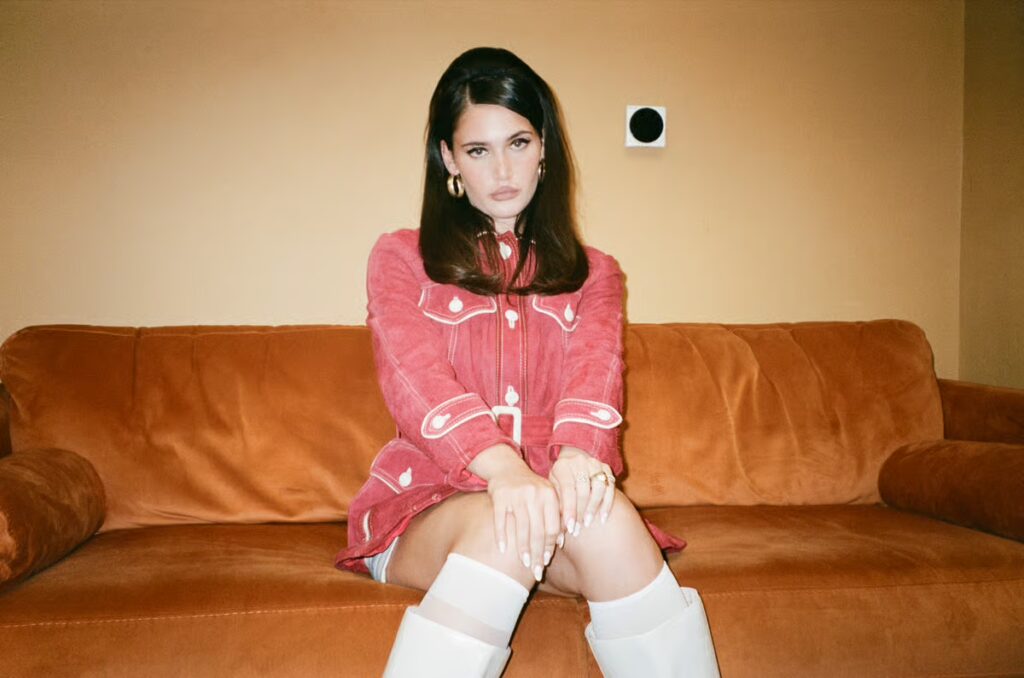
Country music is experiencing one of its most dominant crossover years in recent memory.
Langley’s Dandelion, produced with Miranda Lambert and Ben West, has been the genre’s defining statement, hitting number one on the country albums chart in April.
“Choosin’ Texas,” released in October 2025, became a genuine crossover hit, reaching number one on Hot Country Songs. She followed this with “I Can’t Love You Anymore,” her first collaboration with Morgan Wallen. Wallen himself spent the opening weeks of the year still riding the success of I’m the Problem at number one on the Top Country Albums chart. However, that project falls outside this eligibility window as it was released in May of 2025, meaning the Wallen and Langley duet is eligible even though the album that made him a household name again is not.
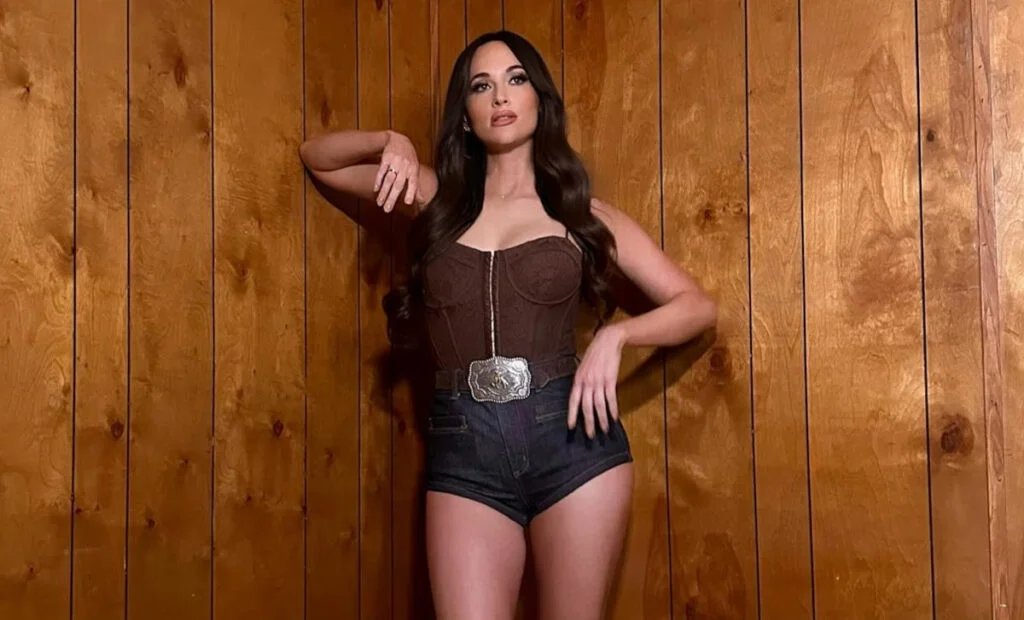
Kacey Musgraves released Middle of Nowhere, her seventh studio album and first with the relaunched Lost Highway Records. Critics have hailed it as her most country record since Golden Hour. The thirteen-track album, largely written after a breakup in her hometown of Golden, Texas, features steel guitar, Western swing, and traditional Mexican influences. Reviewers have particularly praised “Horses and Divorces,” a duet with Miranda Lambert, as some of Musgraves’s sharpest songwriting to date. The country genre had a strong start to the year with Zach Bryan‘s With Heaven on Top, released on January 9, which also topped the country albums chart. Eric Church pushed boundaries with Evangeline vs. the Machine Live, while Lainey Wilson continued her reign as country’s “it girl.” Luke Combs‘s The Way I Am and Megan Moroney also remain contenders in the awards conversation.
Charley Crockett concluded his self-described “Sagebrush Trilogy”—three concept albums released within approximately twelve months—with Age of the Ram. This twenty-song record, directly inspired by Willie Nelson‘s Red Headed Stranger, follows a fictional cattle rustler. While critical reception is divided on whether it matches its predecessors, most acknowledge the ambition of releasing three interconnected concept albums in a single year as a notable achievement.
Ninety-three-year-old Willie Nelson remains a fixture in traditional country, releasing his seventy-ninth solo studio album, Dream Chaser, on May 29; it includes “I Can’t Read Your Mind,” his first co-write with Bob Dylan since 1993. Zac Brown Band‘s Love & Fear delivered one of the cycle’s most discussed collaborations: “Butterfly,” a duet with Dolly Parton that debuted at number one on Billboard’s Country Digital Song Sales chart.
Collectively, the depth of this year’s country field arguably represents the format’s strongest showing in the general categories in over a decade.
Kehlani‘s self-titled fifth album is R&B’s biggest storyline this cycle. Released on their thirty-first birthday, it became the first album by a female R&B artist this year to debut in the Billboard 200’s top five, while also topping the Top R&B/Hip-Hop Albums chart. The seventeen-track set is built around the Grammy-winning hit “Folded” and follow-up singles “Out the Window” and “Back and Forth,” featuring Missy Elliott. The impressive guest list includes Brandy, Usher, Lil Wayne, Clipse, Big Sean, and Cardi B.
Jill Scott‘s comeback is the genre’s other major headline. Her sixth studio album, To Whom This May Concern, led by the single “Beautiful People,” has garnered critical acclaim for its blend of retro and modern R&B production and jazzy, soulful songwriting. Several critics have called it the year’s most complete R&B statement, even surpassing Kehlani’s commercially dominant run. This critical-versus-commercial split often defines close R&B categories at the Grammys.
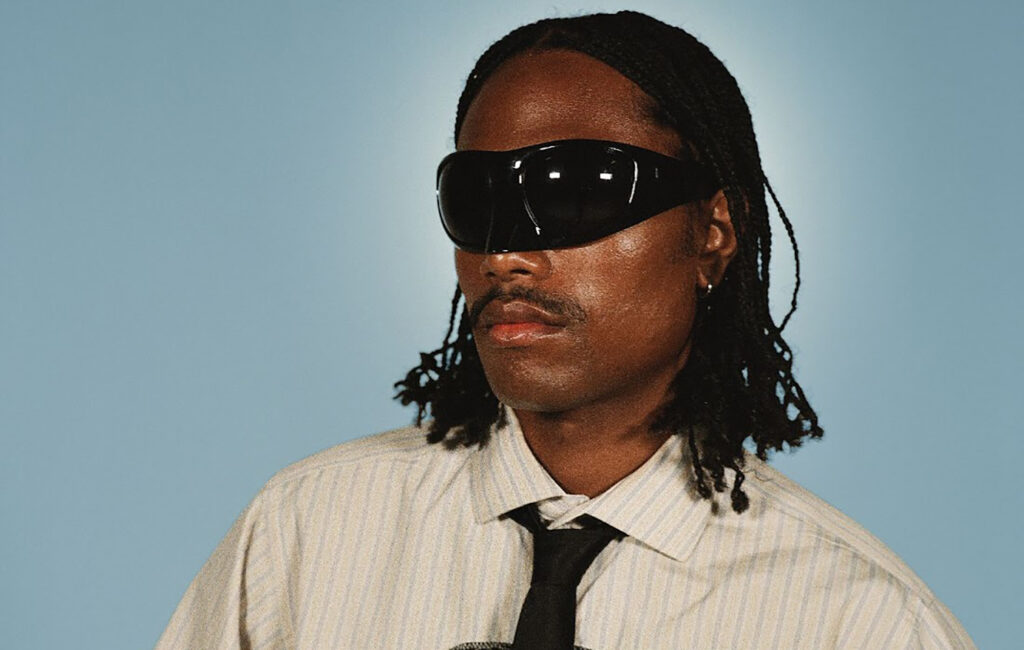
Steve Lacy‘s Oh yeah?, his first full album since 2022’s Gemini Rights, continues the psychedelic, guitar-forward R&B approach that has made him one of the genre’s most distinctive young voices. Meanwhile, Camper‘s all-star Campilation, featuring Jill Scott, H.E.R., Brandy, and John Legend, functions almost like a genre summit in album form. Mariah Carey‘s Here for It All, marks her first album in seven years, and Leven Kali‘s anticipated third album, LK99, rounds out an unusually deep field across generations.
Tems has quietly emerged as a serious contender in the R&B performance categories on the strength of a single song. “What You Need,” from her Love Is a Kingdom EP, has become a dominant force on urban and R&B radio. This slow-building, radio-driven success story often translates directly into Best R&B Performance and Best R&B Song consideration.
On the hip-hop side, Cardi B is the headline story. Am I the Drama?, her long-awaited sophomore album, arrived last fall, seven years after her Grammy-winning debut, Invasion of Privacy, and falls squarely within this eligibility window. The twenty-three-track set debuted at number one on the Billboard 200, making Cardi the only female rapper to have her first two albums debut atop the chart. It has since gone triple platinum with over 4.6 million U.S. units sold and has already picked up Best Hip-Hop Album at the American Music Awards and Outstanding Album at the NAACP Image Awards.
The album’s rollout itself became part of the story: it arrived days after Cardi announced her fourth pregnancy, her first child with New England Patriots wide receiver Stefon Diggs, and weeks after she won a legal case in a Los Angeles courtroom.
Beyond Cardi, the hip-hop landscape is highlighted by two long-awaited albums. J. Cole‘s The Fall-Off, teased since 2018 on his album KOD, finally arrived on February 6 and is rumored to be his last. Three weeks earlier, A$AP Rocky released Don’t Be Dumb, his first album in nearly eight years, featuring Doechii, Gorillaz, Tyler, the Creator, and Westside Gunn. These two releases, alongside Cardi’s commercial success, provide the Best Rap Album category with two of the decade’s most anticipated hip-hop projects.
Other strong contenders include Baby Keem‘s Casino, featuring Kendrick Lamar and Denzel Curry, and MIKE‘s acclaimed underground work. Playboi Carti remains a wild card; his previous album, Music, was a major 2025 release but was completely overlooked at the 68th Grammys. His much-anticipated follow-up, Baby Boi, is currently unreleased and unconfirmed for this eligibility window. Expect fierce competition in the performance and melodic rap categories from artists like Baby Keem, Travis Scott, and Lil Uzi Vert, as well as standalone tracks such as J. Cole’s “Two Six” and the Kanye West and Travis Scott collaboration “Father.”
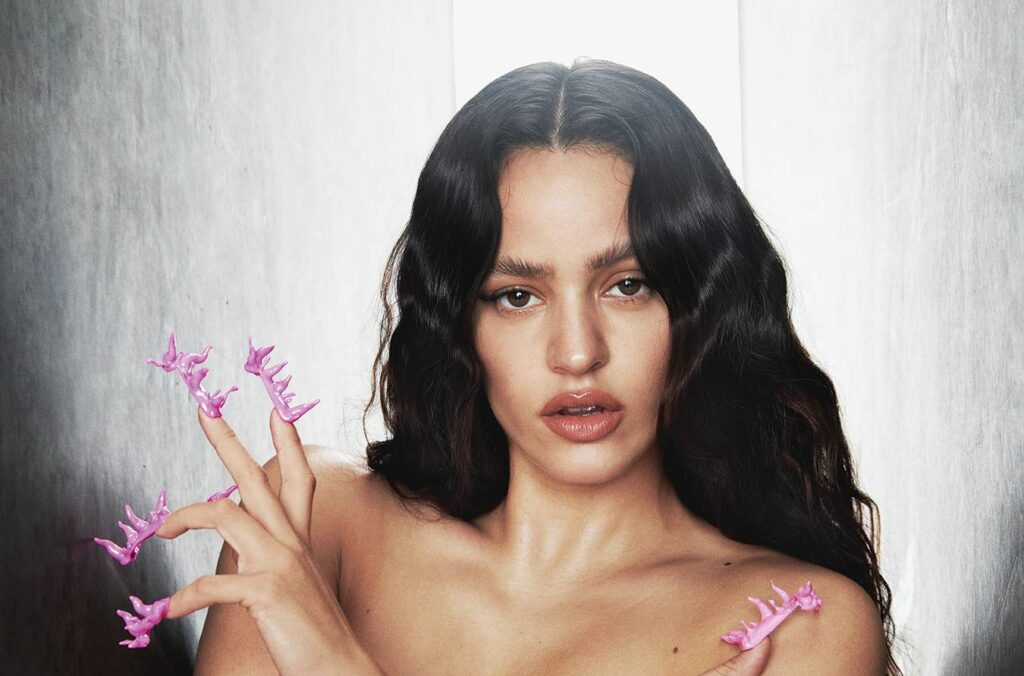
In Latin music, Rosalía’s LUX is the year’s most significant story. Her fourth studio album, released digitally in November and well within the eligibility window, has been hailed by many critics as the best album of the year across all genres. Recorded over two to three years with the London Symphony Orchestra and conductor Daníel Bjarnason, the album showcases Rosalía singing in over ten languages and features collaborations with Björk, Yves Tumor, Carminho, Estrella Morente, and the Escolania de Montserrat choir. LUX debuted at number one on Spotify’s Global Top Albums chart, marking the largest first-week streaming debut by a Spanish-language female artist on the platform, and reached number four on both the UK Albums Chart and the Billboard 200. A two-time Grammy winner and eleven-time Latin Grammy winner, Rosalía is positioned for LUX to be a legitimate Album of the Year contender beyond the Latin field.
Alongside Rosalía’s, Álvaro Díaz‘s Omakase has been lauded as a masterful, genre-bending achievement from the Puerto Rican rapper. Meanwhile, Argentine rapper Trueno had a breakthrough year, releasing his fourth studio album, TURR4ZO, in May. While he’s more established in the Latin Grammy sphere than in mainstream Best New Artist conversations, his rising international profile—including a recent feature on a Gorillaz album and a Universal publishing deal, makes him an artist to watch.
Beyond the buzz in general and established genre categories, pop, rock, and alternative are quietly showcasing the deepest fields this cycle. Olivia Rodrigo’s You Seem Pretty Sad for a Girl So in Love, leans into new wave textures, a stylistic departure, critics note, from her earlier pop-punk sound. Noah Kahan‘s The Great Divide, continues his folk-leaning singer-songwriter trajectory, while Robyn‘s Sexistential marks a return for an artist whose influence on the current pop landscape is often cited, even when she isn’t charting.
Harry Styles‘s, Kiss All the Time. Disco, Occasionally. has generated two strong standalone contenders. Lead single “Aperture,” which Styles has said was the last track finished for the album, debuted at number one. “Dance No More,” the album’s third single, has become a fan favorite and the subject of one of the year’s most joyful music videos. Both tracks are being considered for Record of the Year and Best Pop Solo Performance, independent of the album’s overall performance.
RAYE represents the other major British pop story this cycle. Her second album, This Music May Contain Hope, a seventeen-track double album structured around the four seasons, arrived on March 27. Critics have hailed it as an even more ambitious follow-up to her Mercury Prize–nominated debut, My 21st Century Blues. Lead single “Where Is My Husband!,” a horn-driven, gospel-tinged track that premiered live at her Glastonbury 2025 set before its September release, became her second UK number one and her highest-charting single. With three prior Grammy nominations, RAYE enters this cycle as a credible multi-category threat rather than a newcomer.
Ariana Grande re-enters the conversation just before the eligibility window closes with her eighth studio album, Petal. The album co-written and executive-produced with longtime collaborator Ilya Salmanzadeh, yielded the lead single “Hate That I Made You Love Me,” which dropped on May 29 and debuted at number one on the Hot 100, making it her tenth song to top that chart. This track has emerged as a legitimate Song of the Year possibility, regardless of how the rest of Petal is received. Following Eternal Sunshine‘s two Hot 100 number-one hits in two previous cycles, Petal gives Grande a late but real chance to re-enter the general field conversation on a tight turnaround before ballots close.
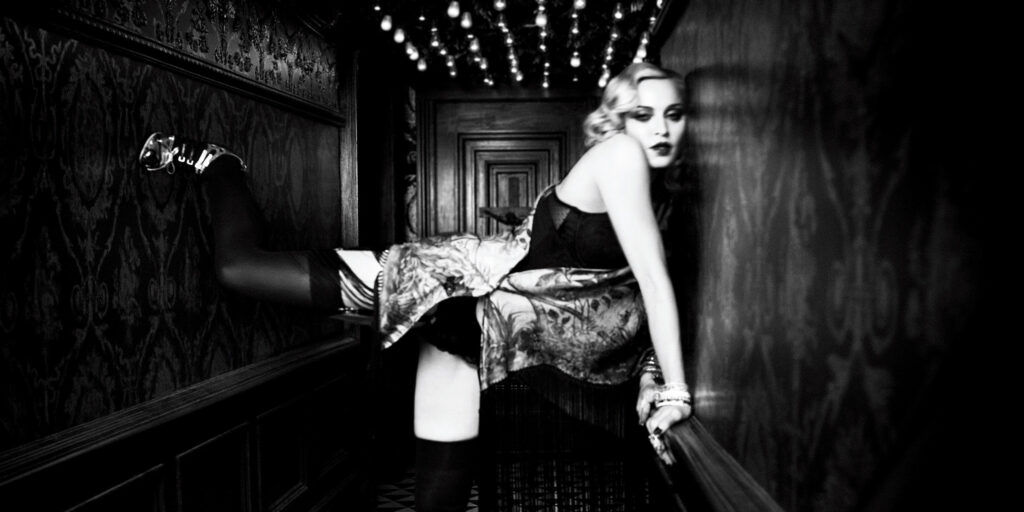
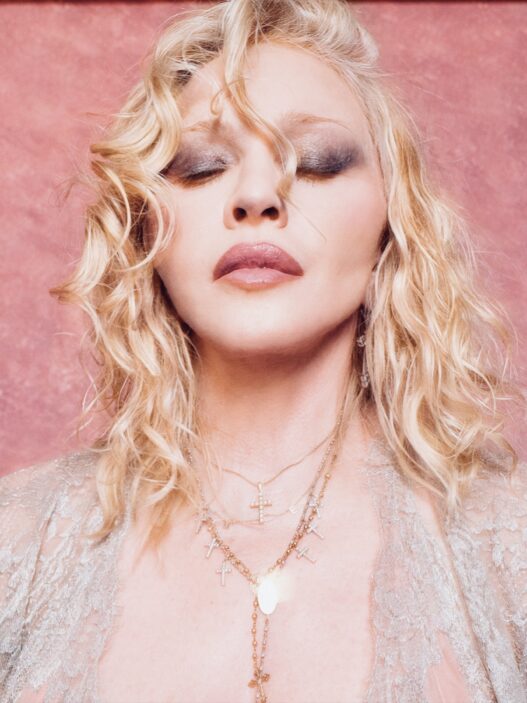
Madonna‘s return is a distinct story. Confessions II, her fifteenth studio album and a direct sequel to 2005’s Confessions on a Dance Floor, arrived on July 3. This marks her first new album in seven years and her first for Warner Records since re-signing with the label that launched her career. Largely produced with Stuart Price, her original Confessions collaborator, the album fully embraces house, EDM, and disco. Its duet with Sabrina Carpenter, “Bring Your Love,” became an unlikely generational pairing, one the two performed together at Coachella. Madonna’s last three albums, MDNA, Rebel Heart, and Madame X, received zero Grammy nominations. A nod for Confessions II would thus snap a significant dry spell for an artist with seven Grammy wins and twenty-eight nominations.
K-pop’s story this cycle is a genuine full-circle moment. BTS returned with ARIRANG, their sixth Korean-language studio album, marking their first full-group comeback since all members completed mandatory military service, but the group has since confirmed they will not enter the race. Blackpink returned in the same window in February with Deadline, their third Korean EP and first full-group release since 2022’s Born Pink. Deadline set a record for the highest first-day and first-week sales for a K-pop girl group in history, selling 1.46 million copies. Industry analysts have described this as the most significant year for K-pop on the global stage since the genre first broke into the mainstream, which raises the perennial question of whether the Recording Academy’s categories are structured to recognize the scale of K-pop’s biggest acts.
A handful of last-minute names round out the picture. Sam Smith‘s Hazel Eyes, released in August, snuck in just a week before the eligibility window closed. Troye Sivan‘s “She’s the Best,” the title track from his upcoming fourth album, dropped in August, also just inside the window, though the full album will not arrive until this fall, after ballots for this cycle are already locked, meaning only the single itself is actually eligible this time around. Tyla‘s sophomore album, A*Pop, released in July, gives her a real follow-up to her Grammy winning self-titled debut.

A couple more are worth keeping on the radar too. Shania Twain‘s Little Miss Twain, released in July, gives country one more crossover contender this cycle, her seventh album and her first since 2023’s Queen of Me. And Durand Bernarr is not really a wildcard so much as a reigning champion: he follows up his Best Progressive R&B Album win for Bloom with BERNARR., released in May and featuring Big Sean, Khalid, Sevyn Streeter, and BJ the Chicago Kid.
Official nominations will not be announced until November 16. Therefore, this preview reflects industry predictions, chart performance, and critical reception as of this writing, rather than confirmed nominees. However, if there’s a consistent theme this cycle, it’s that the usual hierarchy—pop dominating while other genres vie for recognition—does not apply this year. Country and R&B are experiencing generational highs, hip-hop boasts its biggest comeback story in years, Latin music has produced the year’s most acclaimed album, and K-pop’s two leading acts have made their most significant return. The Recording Academy will need to determine how much space it will make for this diverse range of achievements.