






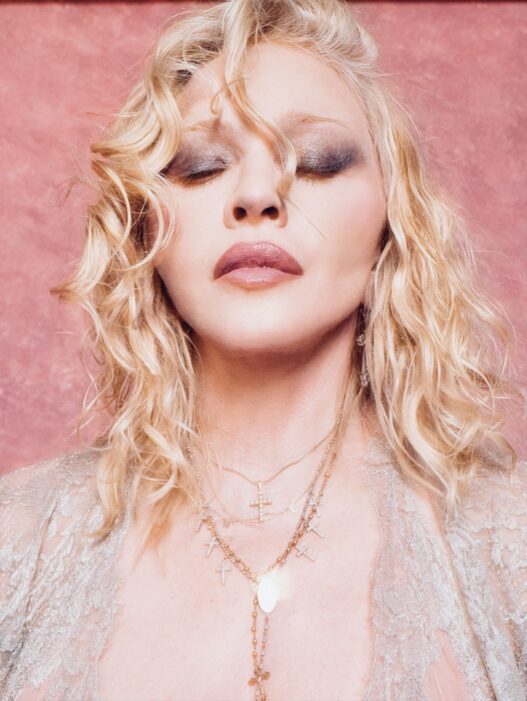
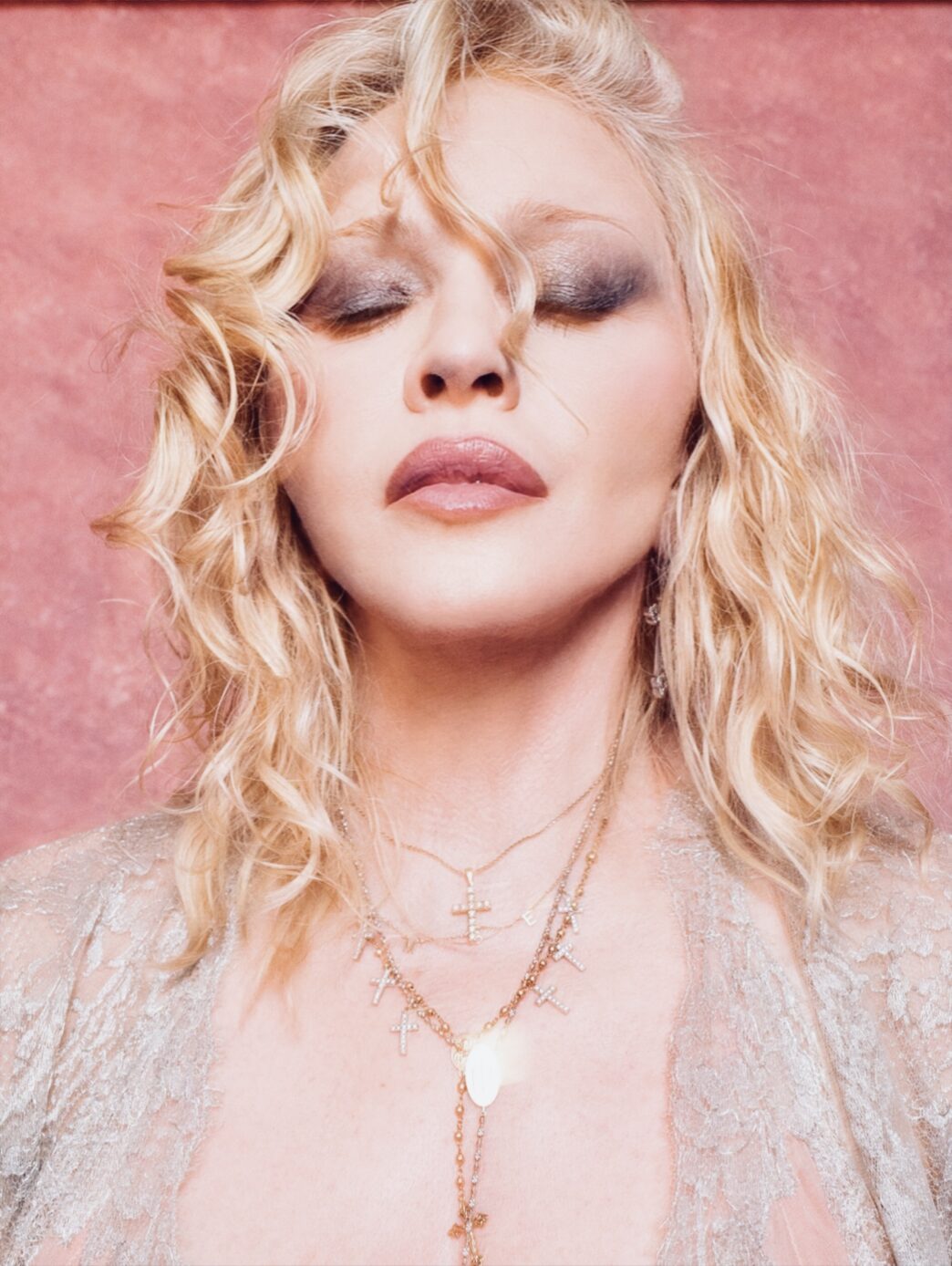
There is a moment at Coachella this year that will be talked about for the forseeable future. Madonna, 67 years old, unapologetic, and absolutely magnetic — stepped onto the Sahara stage alongside Sabrina Carpenter to perform a brand new song, “Bring Your Love,” before pivoting into “Vogue” and “Like a Prayer.” The crowd erupted. Social media melted. And in that single electric moment, the question that has been asked of Madonna for the better part of three decades — Is she still relevant? — answered itself, definitively.
The answer, of course, is yes. It has always been yes.
Now, with the arrival of Confessions II, her fifteenth studio album, released on July 3rd on Warner Records, Madonna is once again forcing pop culture to pay attention on her terms. A sequel to her celebrated 2005 dance opus Confessions on a Dance Floor, the new record reunites her with producer Stuart Price, the architect of the original album’s sleek, euphoric sound. Early previews of tracks like “I Feel So Free” and the emotionally charged “Fragile,” dedicated to her late brother Christopher Ciccone, suggest an artist who has lost none of her instinct for reinvention. “To rave is an art,” she and Price wrote in their album manifesto, “It’s about pushing your limits and connecting to a community of like-minded people.” That philosophy, applied across four decades, is the story of Madonna’s entire career.
To understand why she still matters, you have to understand what she created. When Madonna arrived in the early 1980s, a scrappy kid from Michigan who’d moved to New York City with virtually nothing, the music industry had a very specific idea of what a female pop star was allowed to be. Madonna proceeded to dismantle that idea, record by record, tour by tour, controversy by controversy. She was the first female artist to take full creative and business control of her career at a time when the industry expected women to be grateful and compliant. She built her own brand decades before that was a concept anyone talked about. She used music videos as high art. She fused sexuality with spirituality, provocation with sincerity, and dance music with genuine emotional depth. She didn’t just make pop music, she redefined what pop music was capable of.
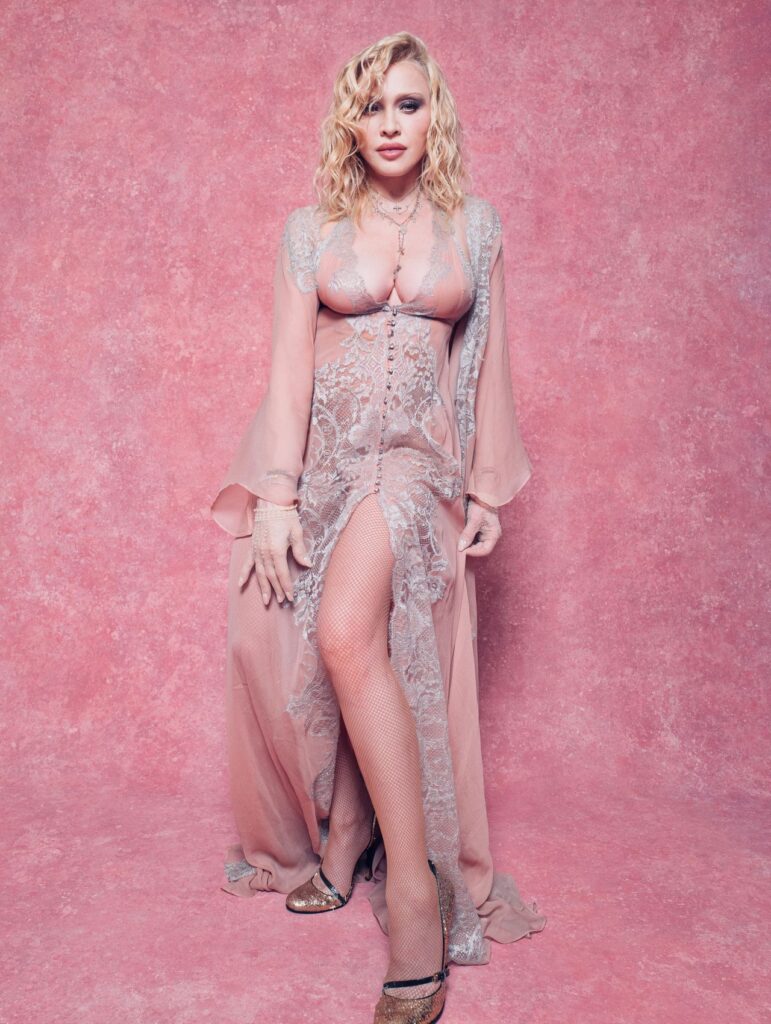
“Madonna isn’t just an artist — she’s the blueprint, the rule-breaker, the ultimate cultural juggernaut,” Warner Records co-chairmen Aaron Bay-Schuck and Tom Corson said upon welcoming her back to the label where her career began.
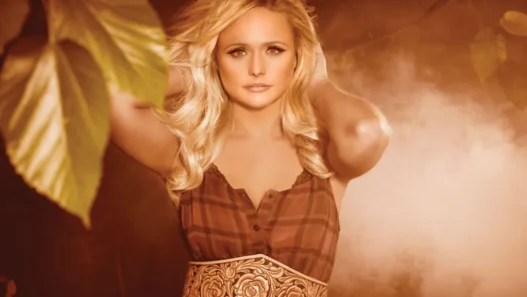
The pop stars who followed in her wake didn’t merely admire Madonna from a distance, they studied her. Britney Spears owes her entire early career template to that playbook: the provocative imagery, the dance-heavy spectacle, the idea that a young woman could be both innocent and dangerous at the same time. When Britney and Madonna kissed at the 2003 MTV Video Music Awards, it wasn’t just a moment, it was a passing of a torch, a symbolic coronation in which the Queen of Pop blessed the next generation she had made possible.
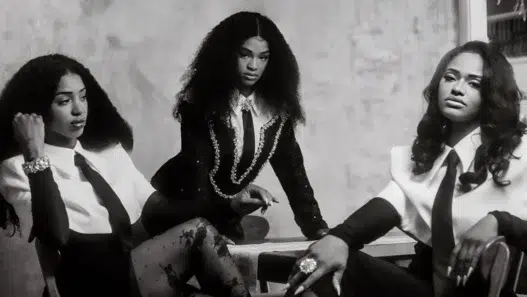
Christina Aguilera took something different from the same kiss: the fearless reclamation of sexuality as power rather than vulnerability. The defiance in “Beautiful,” the boundary-pushing of “Dirty,” the vocal showmanship that insisted pop stars didn’t have to choose between artistry and commercial success, all of it runs through a lineage that starts with Madonna. And Rihanna, who transformed from pop princess to fashion and beauty mogul while remaining one of the most compelling presences in music, is perhaps the most Madonnian of the generation that followed. The refusal to be boxed in, the constant pivots, the understanding that a recording artist is also a brand and a cultural force, Rihanna didn’t invent that model. She inherited it.
And then there is Beyoncé. The meticulous control over her creative vision. The surprise album drops. The concert films as art statements. The insistence on being the architect of every aspect of her public presentation. The willingness to make deeply personal work without sacrificing pop accessibility. These are Madonnian principles, executed at the highest possible level by an artist who understood them completely.
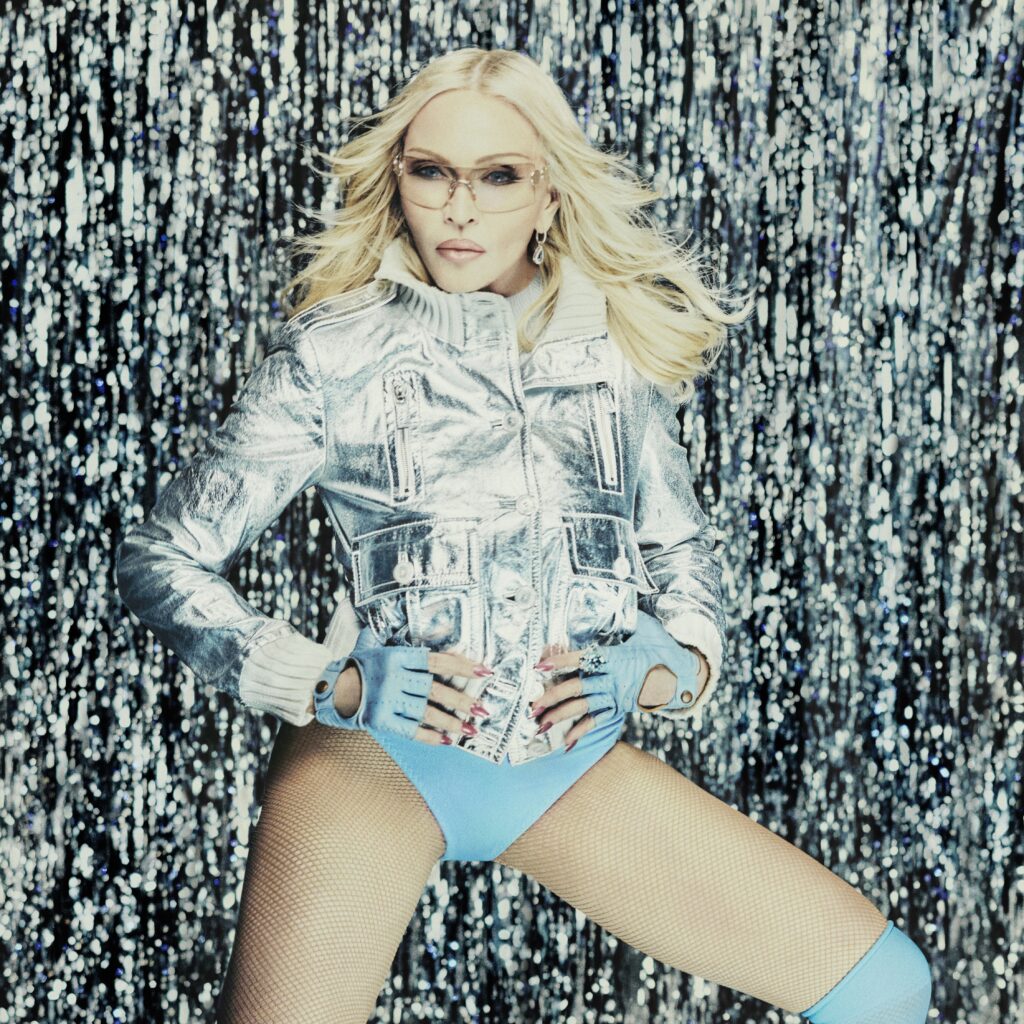
What makes Madonna’s longevity so extraordinary is not simply that she has survived, it’s that she has refused to calcify. Most artists who reach icon status eventually become monuments to themselves, releasing music that replays past glories for an aging fanbase. Madonna has never done that. From the electronic mysticism of Ray of Light to the globe-trotting eclecticism of Madame X, each era of her career has represented a genuine creative leap rather than a comfortable retreat.
Her 2024 Celebration Tour, which culminated in a free concert on Rio de Janeiro’s Copacabana Beach that drew 1.6 million fans, setting a record for a standalone show, was a reminder of how vast her catalogue is and how many different versions of pop history she has lived through and shaped. She didn’t look like a greatest hits package. She looked like proof that pop music, at its most fearless, is genuinely timeless.
And now comes Confessions II, a return to the dance floor, back at Warner Records, back with Stuart Price, back to the music that, in 2005, reminded a new generation exactly who Madonna was. That she is doing it again at an age when most artists have long since been written off by an industry obsessed with youth is, in itself, the most Madonna thing imaginable. The dance floor, she has always known, is a sacred space, a place to connect, to lose yourself, to find yourself again. She built her career there, four decades ago, in the clubs of New York City. She returns to it now not out of nostalgia, but out of an absolute conviction that the music still matters.
And so, it turns out, so does she.