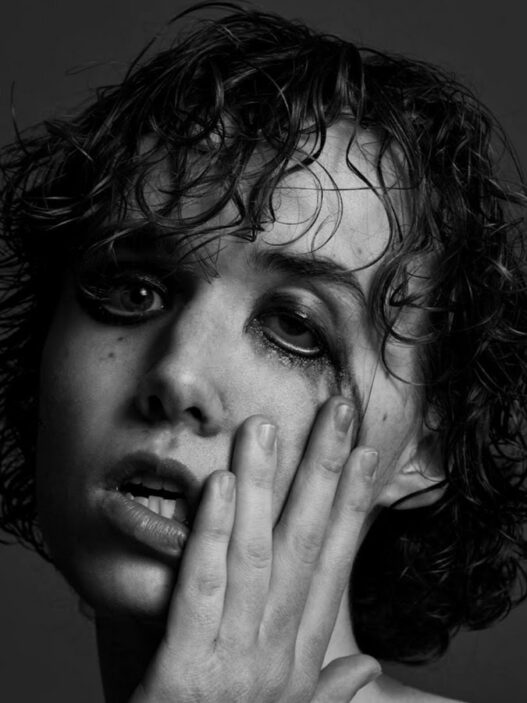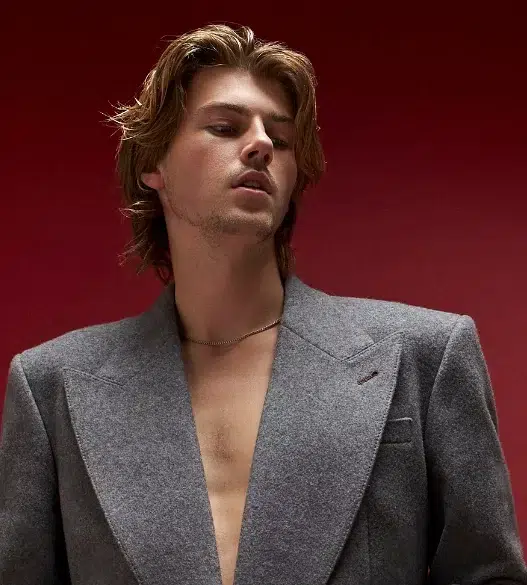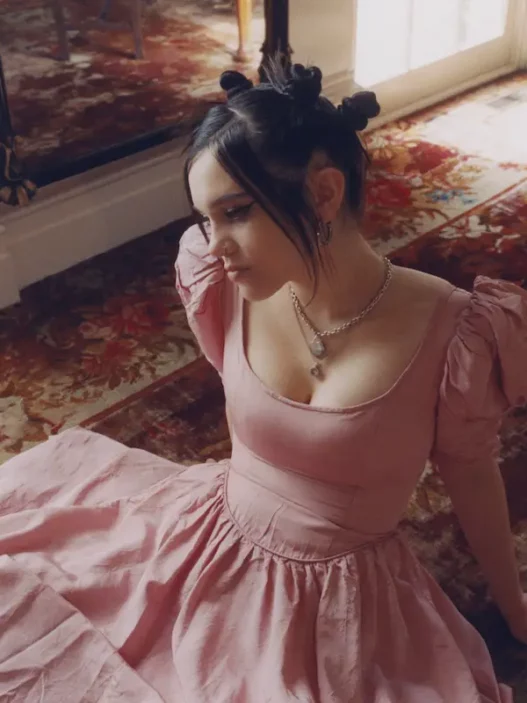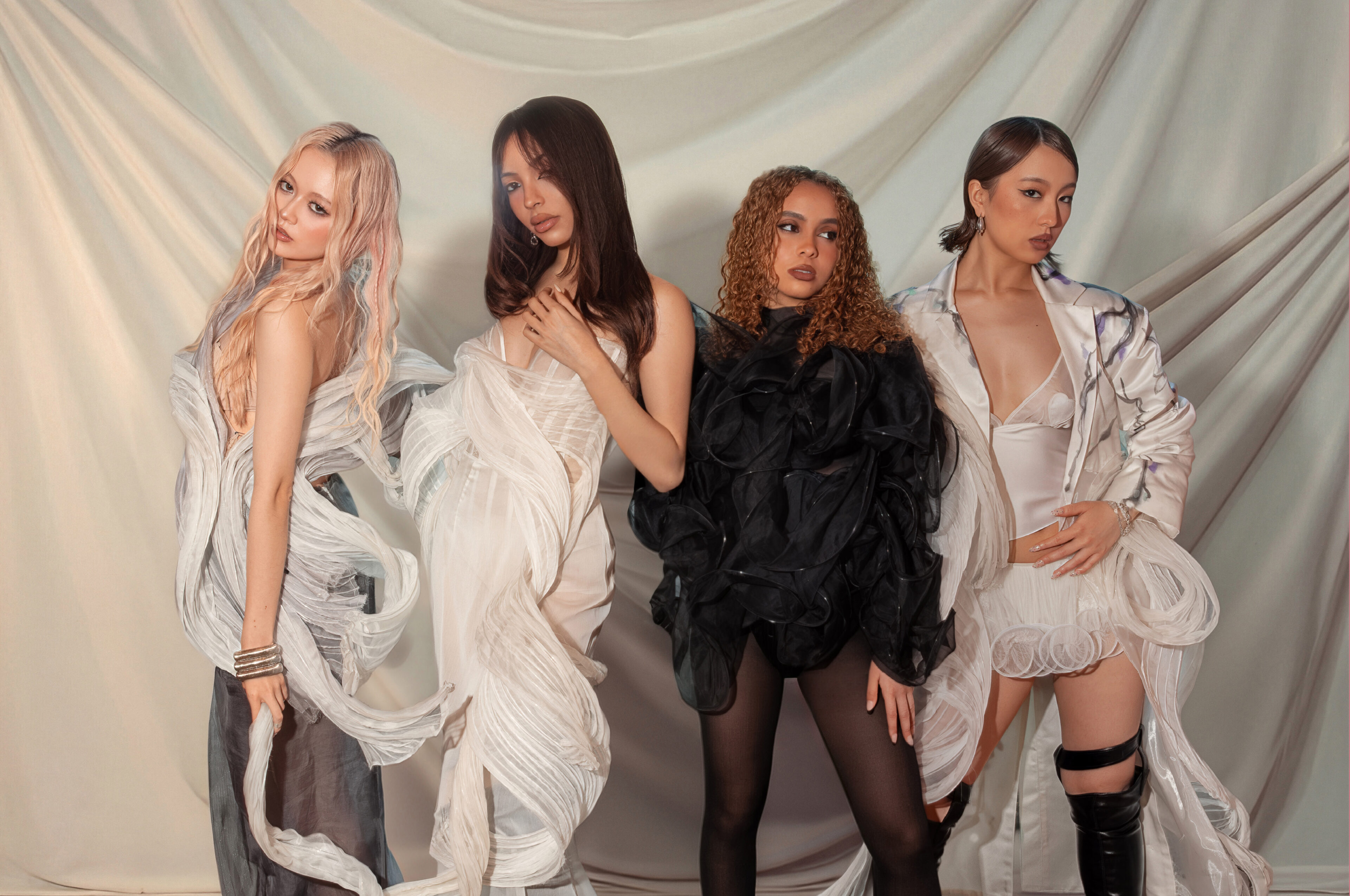










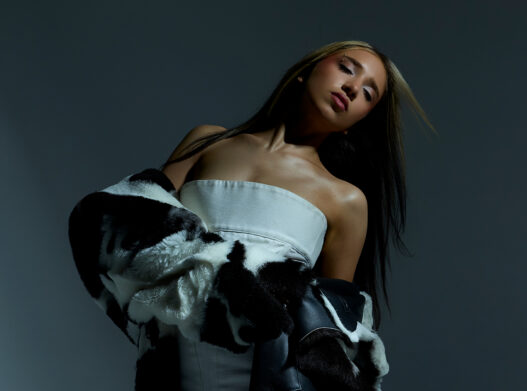
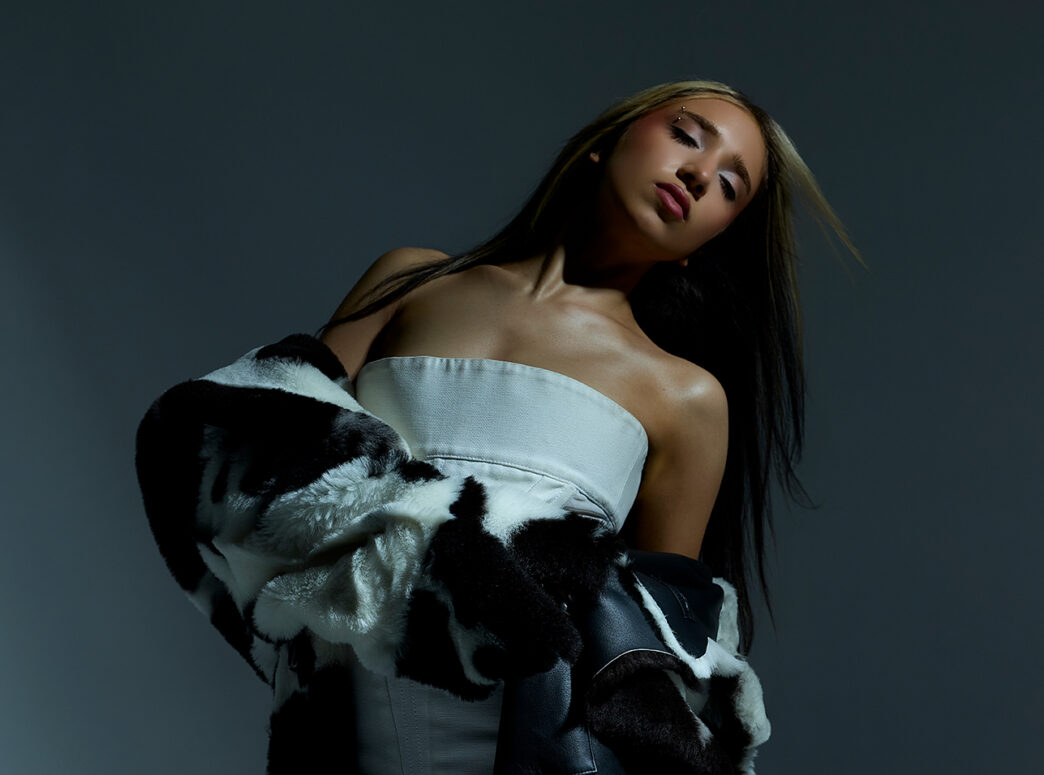
Isabel LaRosa is drawn to the unsettling perfection of dollhouses. “I love anything that’s kind of unsettling,” the 22-year-old singer-songwriter from Maryland says. Her latest EP, Promising Young Woman, uses visuals of dolls, bedrooms, and childhood nostalgia, always with a darker undertone. “The dollhouse is something that’s supposed to be very picturesque,” she explains. “And it’s not. There’s obviously something that’s wrong with it.”
For LaRosa, it symbolizes the moment when a perfect facade begins to crumble. This image fits a year that defied expectations. In 2026, LaRosa released Promising Young Woman, opened arena shows for Madison Beer and Melanie Martinez, and prepared Doll Parts, a smaller, more theatrical series of shows. While outwardly successful, LaRosa found the year unpredictable. “There was so much of this year that I wasn’t anticipating at all,” she says. “I feel like it’s taken me in the craziest directions.”
Stepping onto arena stages brought a different kind of uncertainty. The first arena show with Beer was particularly intimidating: she was performing for an audience that wasn’t necessarily there to see her. “I was just so like, ‘Oh my God, I’m so terrified right now,'” she remembers. “When you open for somebody, you don’t really know how you’re going to be received.”
Yet audiences on both tours gave her a chance. During “American Wedding,” LaRosa would see arenas lit with flashlights. A show in Mexico particularly resonated: “I looked out and I was like, ‘Oh my God. This is crazy.'”
The themes of being chosen and questioning self-worth are central to Promising Young Woman. Part of the project stemmed from a relationship where LaRosa questioned what she would do to be chosen. “I felt like I had to kind of beg to be chosen,” she says. This evolved into questioning why that person’s approval mattered. “I think that it was a reflection of maybe my inner self-worth. Why did I feel like I needed to be chosen by this person?”
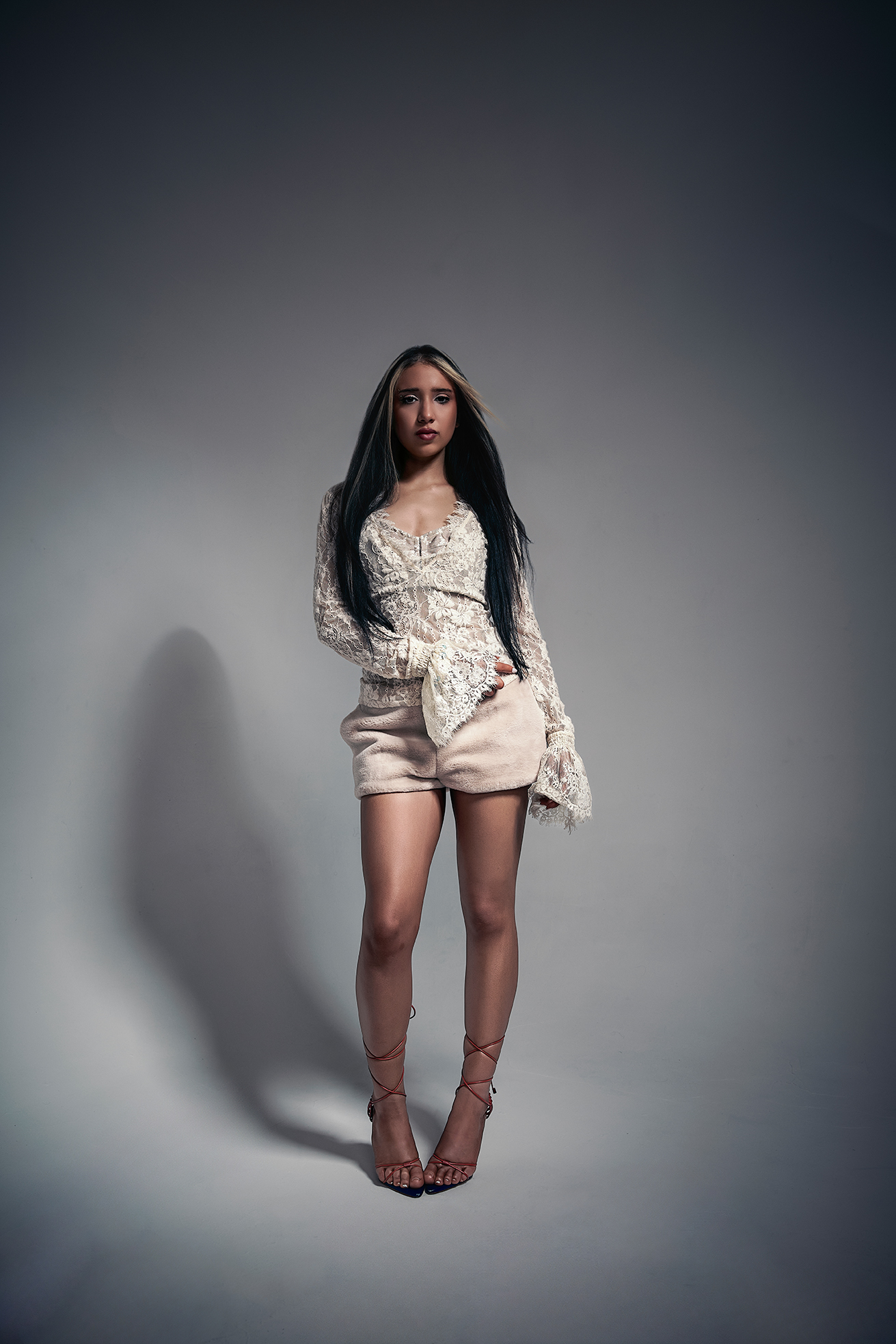
This was new territory for her music. “I don’t think I’ve ever really talked about that side of my perspective before in my music,” she says. The opening track, “The Things I Would Do to Be Enough for You,” poses this question and felt essential to introduce the project.
LaRosa wrote much of Promising Young Woman during a “long and drawn out and horrible” breakup in the spring, often processing her feelings as she wrote. “I was trying to figure it out as I was writing these songs,” she says.
“Hallucination” began after vivid nightmares about an ex while on tour. “I would literally scream in my sleep,” she says. “I have to write about this because this is a really strange experience.” It evolved into a song about a deeper fear: that letting go of the pain attached to someone might mean losing them entirely.
“Once you kind of let go of the memory of somebody, it almost means that, to me, it’s this fear that they’ll disappear entirely,” she explains. Heartbreak, in this sense, becomes a form of preservation.
On “Hate Myself for Loving You,” LaRosa explores the same period with a heavier, rock-driven sound, expressing anger more openly. “I don’t think I’ve really expressed that in my music prior to this that much,” she says. “It feels so cathartic to say these things and have it feel how I feel.”
Much of her writing happens with her brother, Thomas, who produces and co-writes her music. “He knows my taste and what I like and what I don’t like,” she says. Their sibling dynamic also removes typical studio politeness. “You’re my brother and my producer and my co-writer,” LaRosa jokes. “No one can ever fire each other because I’m like, ‘What are you going to do?'”

The pressure to be enough extends beyond relationships to her career. “You don’t really see what’s underneath the surface of everybody,” she says. “It’s hard to not feel like you have to compete in that world and achieve this certain level of perfectionism all the time.” This contrasts with her personal life: “I’m the most Type B person of all time,” she laughs. Onstage, she accesses “a different side of myself.”
Increasingly, she finds audiences respond best when she stops trying to embody an idealized artist. “The less I try to fit into what I feel like I’m supposed to be, the more that people genuinely resonate with that,” she says. As her songs become more personal, fans share their own stories. “A lot of the times when you’re going through things, it feels so isolating,” LaRosa says, adding that hearing from others “makes you feel less alone.”
After months in arenas, LaRosa is deliberately shrinking the room for Doll Parts, performing in smaller venues with a three-act, theatrical structure. “I just wanted it to be in an intimate setting,” she says. “It’s going to be very theatrical and more so storytelling than my other shows.” A character moves through a story LaRosa keeps mostly under wraps, aiming to give her “core people something that they probably won’t get” later.
The doll motif connects to Promising Young Woman: something beautiful yet controlled. “A doll on a string,” LaRosa says. For her, Doll Parts is “almost an expansion” of the EP, turning the dollhouse into a stage.

LaRosa’s perception of success has also shifted. What once seemed impossible quickly becomes the new baseline. “The bar, in my mind, is always getting raised,” she says. “If you were to tell me this happened to me three years ago, I’d be like, ‘This is insane.’ But because of the things that have happened, you kind of up the standard.”
She’s also letting go of the idea that success must follow a specific timeline. She once had ages and milestones mapped out, but seeing other artists succeed at different stages complicated this. “There’s no one way to do it,” she says. “Genuinely everybody’s experience is going to be different.”
The same may be true of love. Despite writing through heartbreak, LaRosa remains open. She’s always been sensitive, wearing her heart on her sleeve. A recent conversation with a friend offered a new perspective on the pain in her music: “If you can hurt so much over somebody, it’s proof that you can love somebody so much,” she says.
As she prepares for Doll Parts and begins working on her next chapter, LaRosa isn’t ready to reveal much, only that “it’s in the works.” For the shows, she hopes to offer something personal. When asked what she wants audiences to understand about her, she doesn’t mention perfection. “I think everybody, including myself, is a flawed person,” she says.
More than anything, she hopes people recognize themselves in what they see. “I would just want people to feel maybe more seen than they did before they got there.” For a project that began with her questioning why she needed to be chosen, the facade finally cracks as she becomes willing to be seen as she is.
Words: Shaza Mahmood
Photography: Nathalie Gordon
Creative Direction: Ryan Prescott
Stylist: Lisa Smith Craig
Hair & Make-Up: Johny Saade
Manicurist: Amber Studer