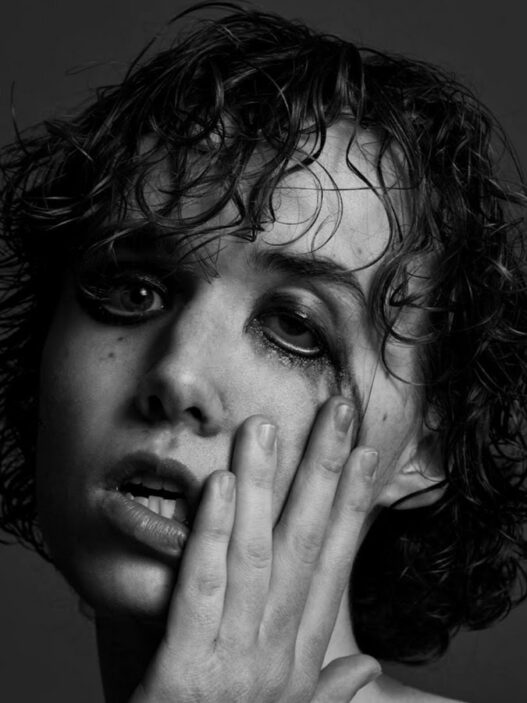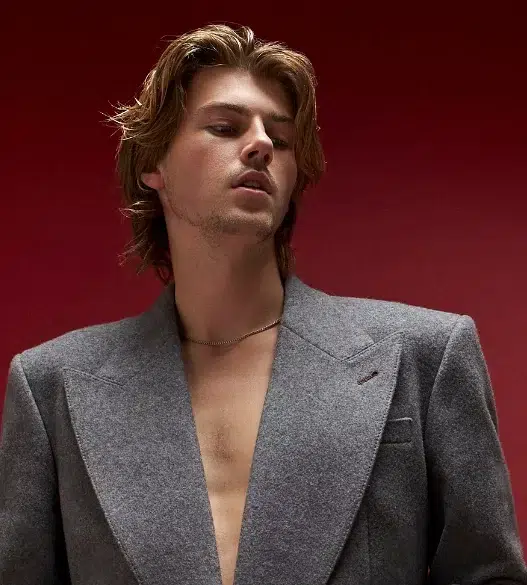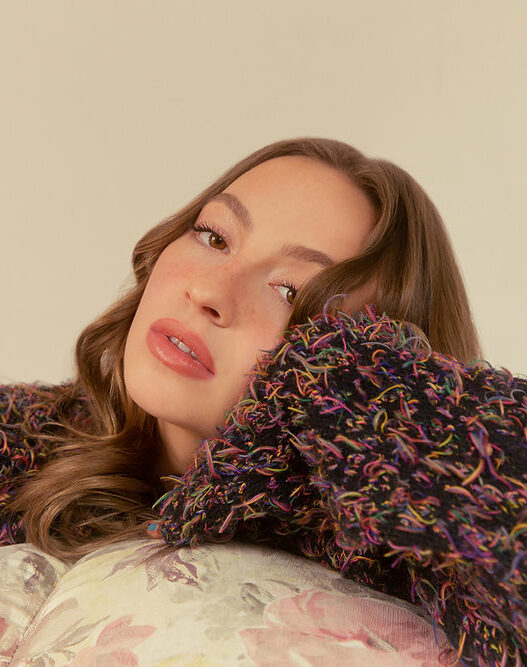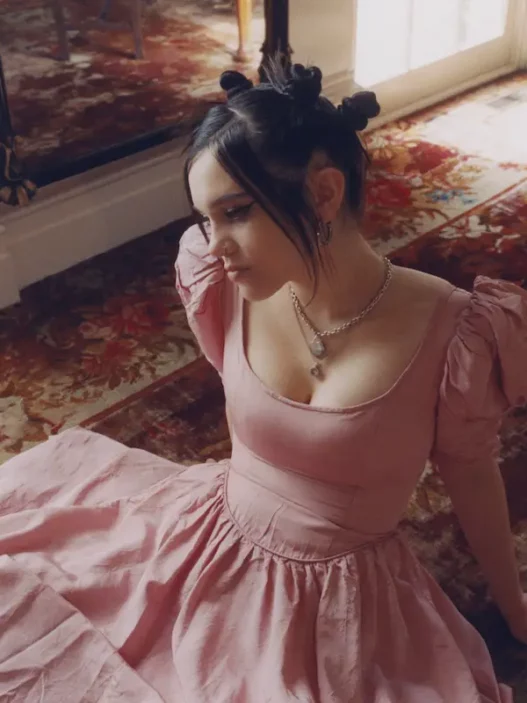



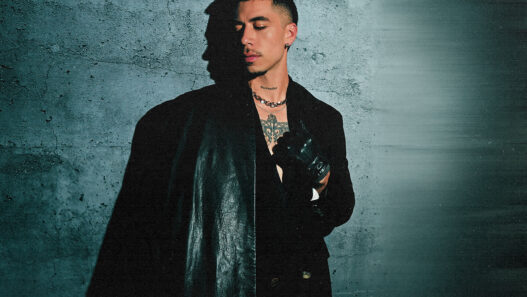





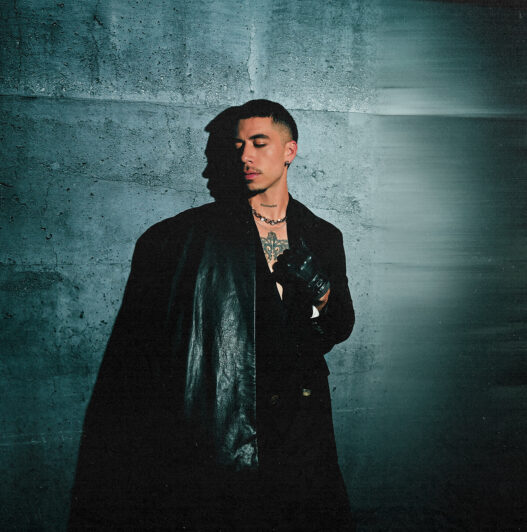
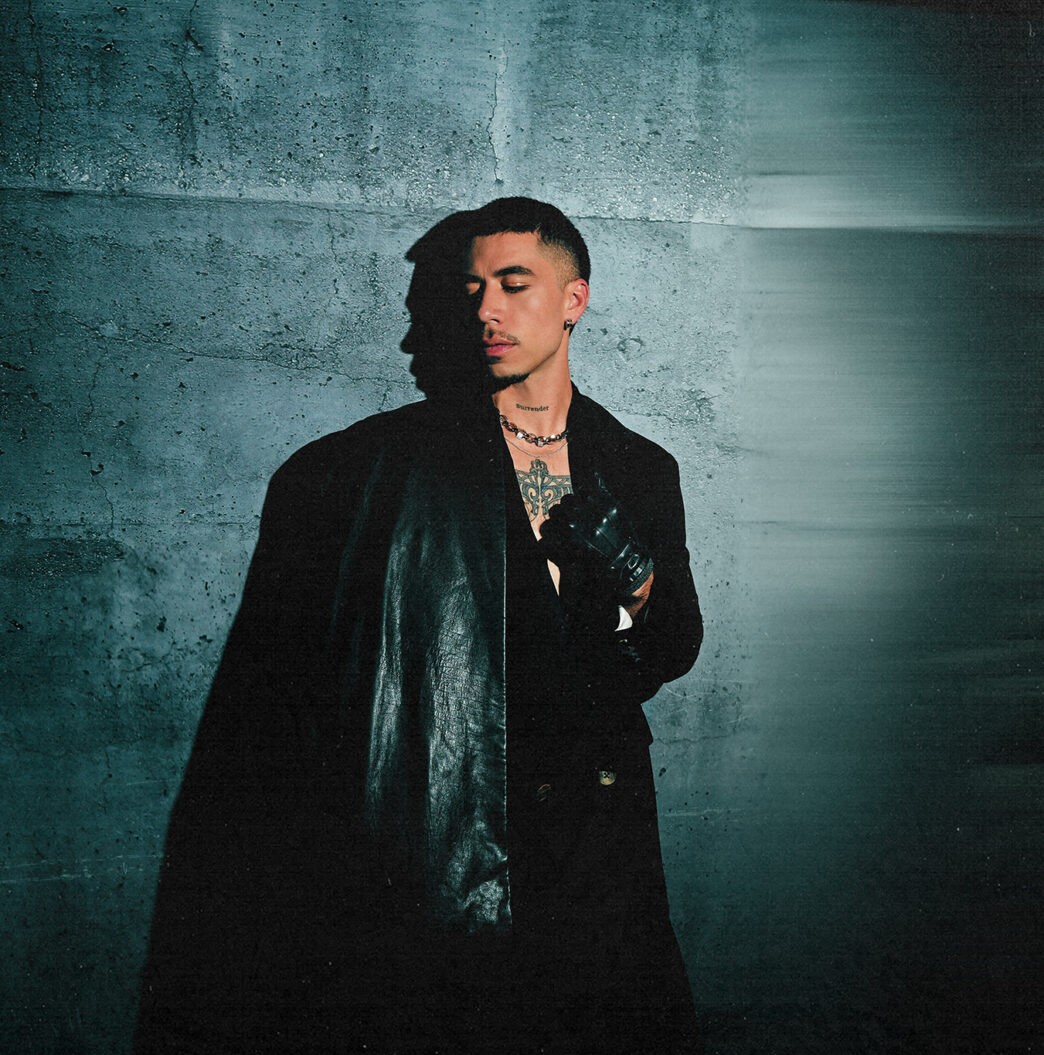
Teeks takes the call from inside Kruger National Park, a few hours removed from a game drive that put him within sight of lions and rhinos before he’d even unpacked. It’s evening in South Africa, and he sounds like a man decompressing rather than performing. That contrast, between the version of himself the stage demands and the one that shows up everywhere else, sets the tone for where he is right now.
He is coming off a run of South African shows that left him genuinely rattled. The crowds sang every word back at him with an intensity he hadn’t encountered before, loud enough that at points he couldn’t hear his own voice onstage. “I’ve never experienced crowds like that before,” he says. “South Africa is different.” More than once, the wave of recognition knocked him off his own rhythm, and he found himself blanking on lyrics to songs he wrote, restarting mid-verse just to catch back up. He describes it as surreal rather than frightening, a reminder that performing live is the part of this job he loves most: a reciprocal exchange of energy that works best when he’s present in it, not lost inside it. Go too far into the emotion of a song, he says, and the show is over before he’s actually experienced it.
There’s a story he’s heard before about a fan who spent months insisting “First Time” was a cover, certain it had to be some older song he’d grown up with, because the feeling in it was too lived-in to have been written from scratch. Teeks laughs about it now, partly because the truth runs in the opposite direction. He wasn’t in a relationship when he wrote it. The song came from a place of open desire rather than experience, closer to something he calls prophesying than confession, and more often than not, the version of the future he puts into a song ends up catching up with him afterward. It’s part of why he says he has to be a little careful about what he writes.
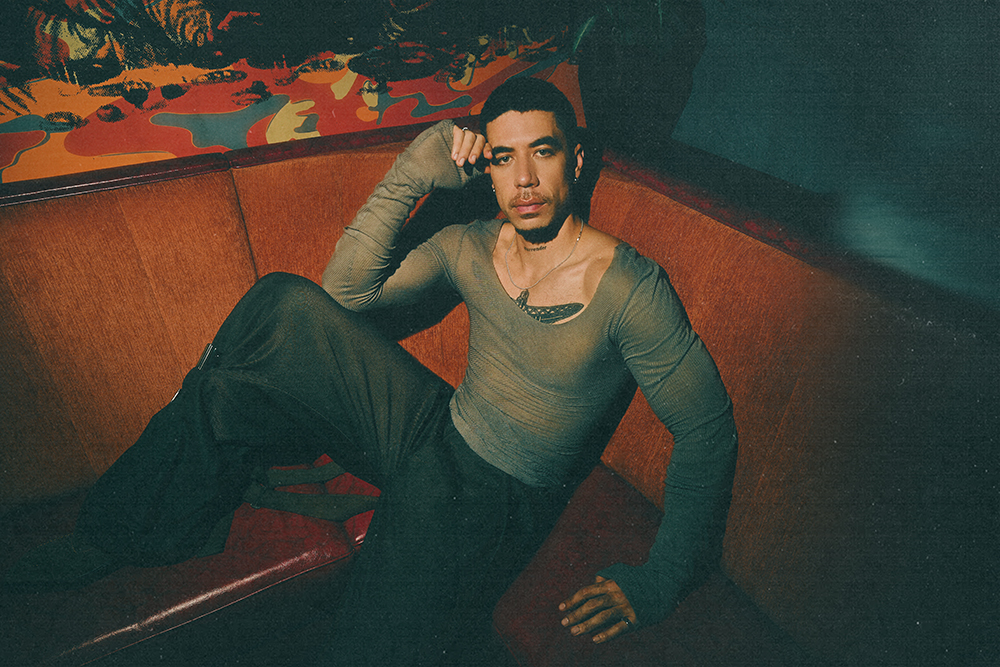
It has been close to a decade since “If Only” introduced him, and Teeks is unsentimental about how far he’s traveled since. He doesn’t go back and listen much, not out of embarrassment but out of honest reassessment. He calls the writing on that song adolescent: direct, unmetaphorical, built for catchiness more than depth. He’s grateful for it regardless, since it marks where things started, but the real growth since has been deliberate. Melody came naturally to him early on; lyric writing was the muscle he had to build, through years of reading poetry and paying close attention to how a strong lyric can change the way a melody lands, and vice versa. Adele’s 21 was a formative record, one of the first albums he bought as a teenager growing up in a rural part of New Zealand where most of what his friends listened to was hip-hop and reggae. Frank Ocean, Bon Iver, and Nina Simone followed, each teaching him something different about storytelling inside a song. Frank Ocean’s openness about his own sexuality landed with particular weight at a formative age, though the artist Teeks calls his all-time favorite is Sade, whose “By Your Side” he describes as something close to worship music for him.
That evolution is most visible on “My Boy,” the song he now calls the boldest thing he’s released. It came out of a period of fatigue: too many sessions in rooms with people he’d just met, too many songs steered around assumptions other people made about his identity and sexuality, too much energy spent redirecting a story that wasn’t theirs to tell. Writing with a close friend and longtime collaborator, alongside a producer he trusts in Auckland, gave him the safety to do the opposite and just say the thing directly. The song came quickly, which he takes as a good sign. The label was sold on it from the rough demo, though he wasn’t yet; a later rework with his full band gave it more edge, and only then did he start to believe in it. He still didn’t expect it to become his lead single, but his team pushed for it, the label backed the call, and Teeks went along with real uncertainty attached, the kind of fear that, in hindsight, is exactly why the song needed to go first.
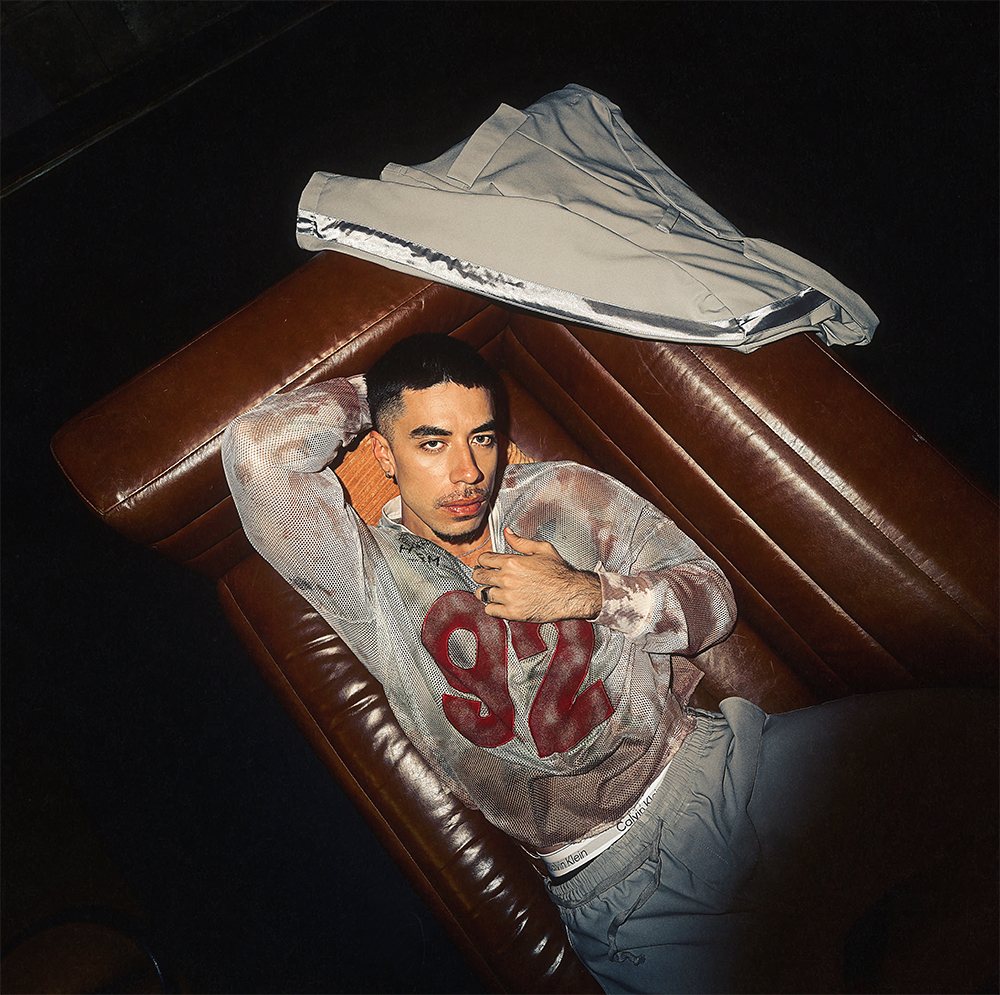
He’s matter-of-fact about what that requires. Making real art, in his view, isn’t compatible with playing it safe. If a decision unsettles him, he’s learned to treat that as information rather than a warning sign, a rough proxy for whether he’s telling the truth. Part of that comes down to age. He’s candid that getting older has made him careless in the best possible way about other people’s opinions, less interested in managing perception and more interested in what he actually feels about the music he’s making. That shift, more than any single song, is what let “My Boy” exist in the first place.
A new album is finished, with more songs still to arrive, including a love song he’s especially proud of, built around a chord progression a friend sent him and shaped, in part, by a novel he’d been reading about devotion. He describes the track as unhurried, more felt than performed, assembled piece by piece rather than chased in one sitting. It reaches for the same feeling he’s described in Sade’s “By Your Side,” love treated as devotion rather than romance. He isn’t expecting it to be a viral moment. He’s aiming for something that holds up in ten years, which is the same standard he applies to the album as a whole and, increasingly, to his career: not hits so much as a body of work he can still stand behind a decade from now.
The writing process itself works in a kind of symmetry. He isn’t thinking about an audience while he’s making something, only about getting a feeling out of himself before it curdles into something else. It’s only afterward, hearing from people who tell him a song met them somewhere specific and private, that the exchange reveals itself as reciprocal. That feedback, more than any chart position, is what keeps him writing.

Offstage, what keeps him upright is less complicated. Nature does a lot of the work, especially the ocean; he grew up on the coast and returns to it instinctively after touring, partly because it clears his head and partly because his sense of identity is tied to land and sea in a way that runs deeper than preference. He talks about that connection as inherited rather than chosen, part of a broader effort to unlearn ideas absorbed from a culture built on colonial Western frameworks and reclaim a more traditional relationship to knowledge and worldview, an ongoing correction he treats with the same patience he applies to songwriting. Family keeps him honest about where he comes from. He’s quick to credit his team for treating him like a person before an artist, for being protective of his well-being and not just his output. Away from the studio, he trains regularly, in part for his mental health and in part because it makes him feel good in his own body, and loses more hours than he’d like to admit to video games, which he’s candid about as a pure act of switching off. He’ll wave off any suggestion he’s secretly good at ping-pong, calling a recent winning streak a pure fluke, and describes his own temperament the same way: not chaotic, just a pretty chill guy. Most of his tattoos are deliberate and tied to his heritage, with one exception on his throat, done on impulse years ago after a chapter on the idea of surrender reshaped how he thinks about control.
None of it plays like image management. Asked what he wants to leave people with, he lands on something plain: the more honest he can be with himself, the better his own life gets, and the more room other people find to do the same. He’s already heard from listeners who’ve told him as much. For an artist who spent years in rooms where other people tried to write his story for him, that kind of unforced honesty reads less like a persona and more like the only thing he was ever actually chasing.
Words: Ryan Lamont
Photography: Shervin Lainez
Creative Direction: Ryan Prescott
Stylist: Dash Armstrong
Assistant Stylists: Cam Morris, Justice Pessoa, Zainab Babikir
Hair & Make-Up: Takisha Williams
Location: SPIN NYC