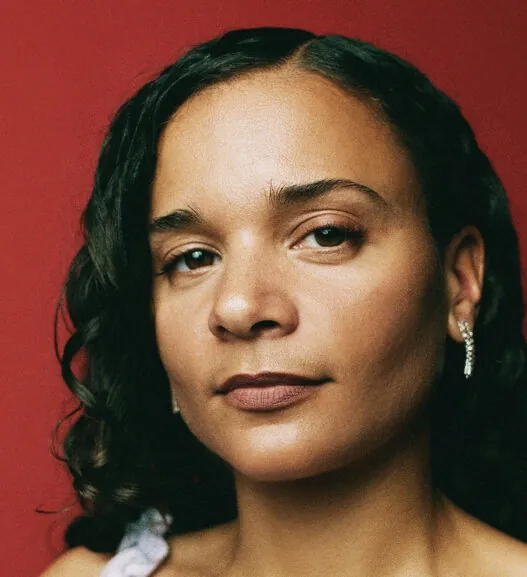


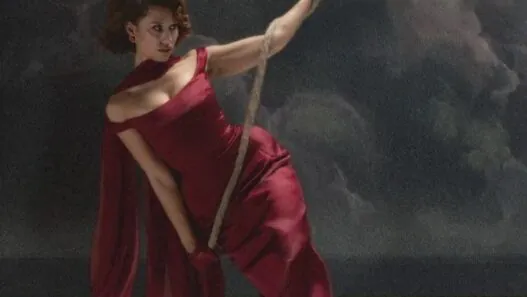







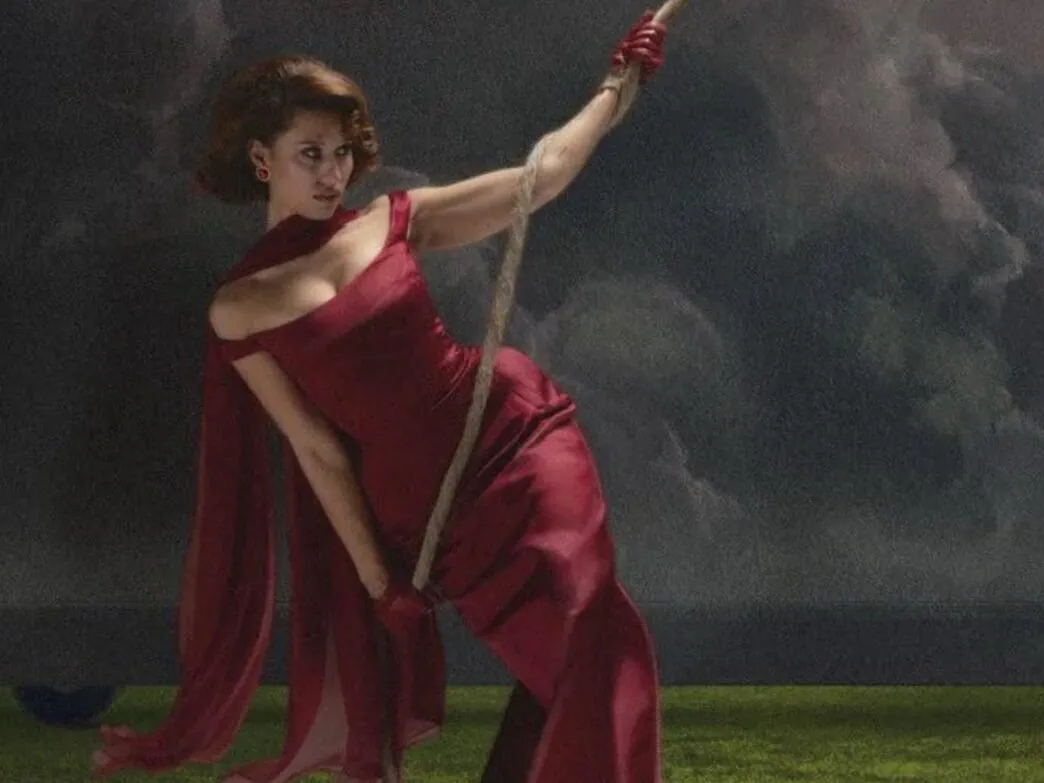
Three years after her groundbreaking debut shook the industry and rewrote the BRIT Awards record books, RAYE is back and she didn’t come to play it safe. Released March 27 via her independent imprint Human Re Sources, THIS MUSIC MAY CONTAIN HOPE is a 17-track, 73-minute sonic statement that positions Rachel Keen not just as a singular artist, but as one of the most ambitious storytellers working in music today.
Structured around four distinct seasons (autumn, winter, spring, and summer) the album takes listeners on a journey that begins in darkness and arrives, painstakingly, at light. It’s a bold framework, and one RAYE executes with the kind of conviction that only comes from lived experience. Collaborators include Hans Zimmer, Al Green, the London Symphony Orchestra, and the Flames Collective Choir, all anchored by longtime production partner Mike Sabath, who has been by RAYE’s side since My 21st Century Blues.
The album opens with a spoken-word intro, “Girl Under the Grey Cloud,” before launching into the orchestral, choir-backed force of “I Will Overcome,” a declaration of intent that sets the emotional stakes immediately. From there, the brass-heavy and swaggering “Beware.. The South London Lover Boy.” arrives like a personality pivot, showing RAYE’s chameleonic range within the first three tracks alone. Her vocals shift from electronically infused on “Life Boat” to jazzy sultriness on “I Hate the Way I Look Today” to operatic soul on “Nightingale Lane,” proving that range isn’t just a vocal gift. It’s an artistic philosophy.

The collaborations are among the album’s most memorable moments. “Click Clack Symphony,” featuring Oscar-winning composer Hans Zimmer, is frenetic and cinematic, a track that feels like a film score composed specifically for a woman walking away from her past. Then there’s “Goodbye Henry,” where soul legend Al Green joins RAYE for one of the most emotionally resonant pairings on the record, two voices from different eras finding common ground in grief and grace. And in perhaps the album’s most tender move, RAYE closes out the summer section with “Fields,” featuring her Grandad Michael, and “Joy,” featuring her sisters Amma and Absolutely, who are rising artists in their own right. These moments don’t feel like features. They feel like family.
The album’s lead single, “WHERE IS MY HUSBAND!,” became RAYE’s second number-one on the UK singles chart, and rightfully so. It’s brassy, confident, and brilliantly fun, a commercial centerpiece that never sacrifices artistry. “Nightingale Lane,” the second single, is its emotional counterweight: sweeping, heartbreaking, and one of the finest vocal performances RAYE has ever committed to record.
Where THIS MUSIC MAY CONTAIN HOPE occasionally stumbles is in its sheer density. At 17 tracks spanning nearly as many styles, the album runs the risk of being too much for some listeners, too many stylistic pivots, too much of almost everything. A few mid-album moments in the winter section lose momentum where sharper editing might have preserved it, and the album-closing credits recitation, while a charming gesture, overstays its welcome. This is an album that demands your full attention, and there are stretches where that demand isn’t fully rewarded.
Still, what RAYE accomplishes here is remarkable. She purrs and belts and soars, with melodies and lyrics so fast and polysyllabic they’d be tongue-twisters if spoken aloud, yet she reels them off with the ease of an Olympic athlete. The ambition never feels hollow because it’s grounded in something real. RAYE has described the album as “medicine” she made for herself and chose to share with the world, and that sincerity bleeds through every track.
THIS MUSIC MAY CONTAIN HOPE isn’t a perfect album. It’s something better. It’s a human one. And in a music landscape that too often rewards polish over truth, RAYE’s willingness to bare it all across 73 minutes is exactly the kind of medicine the culture needs right now.